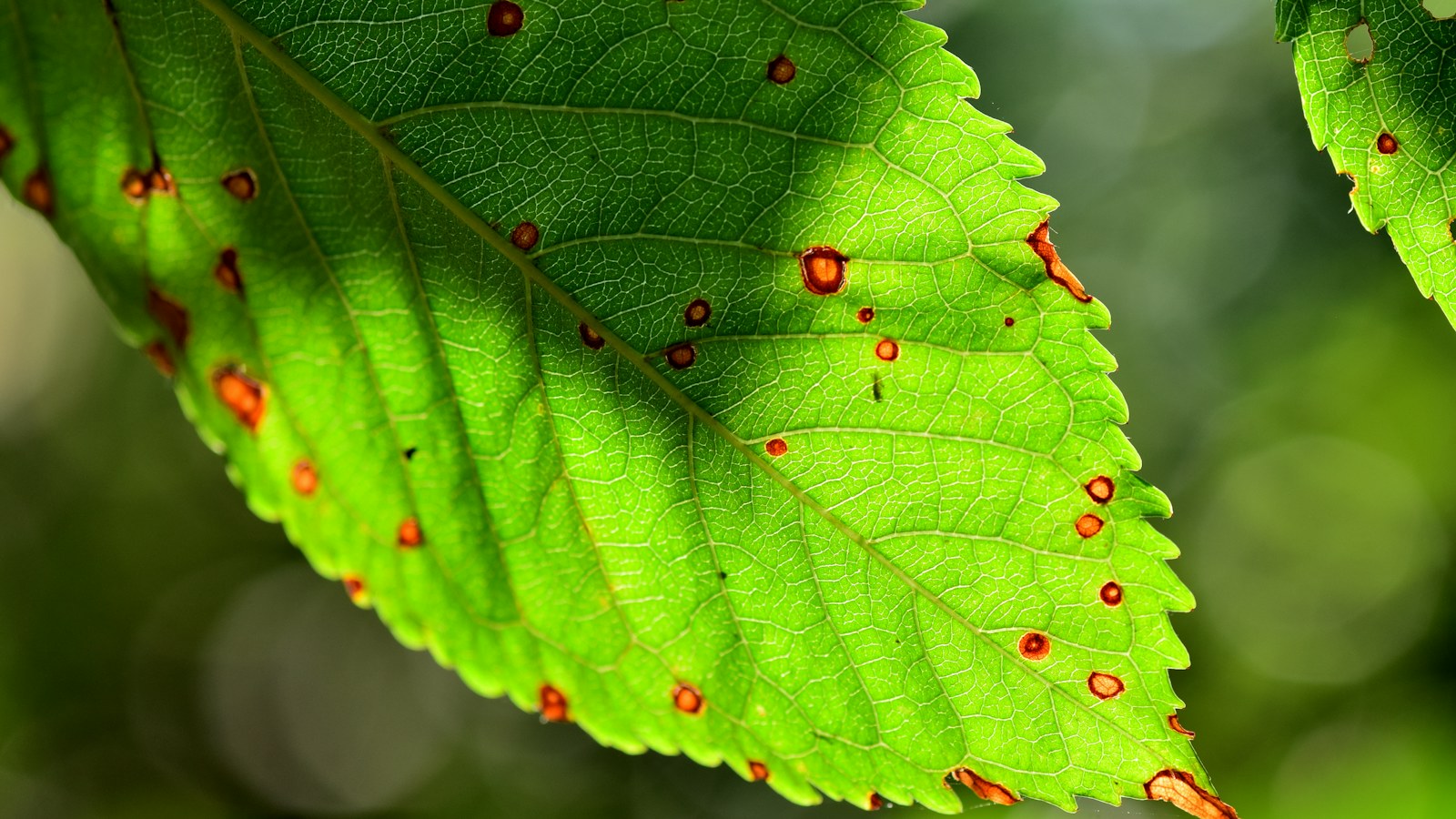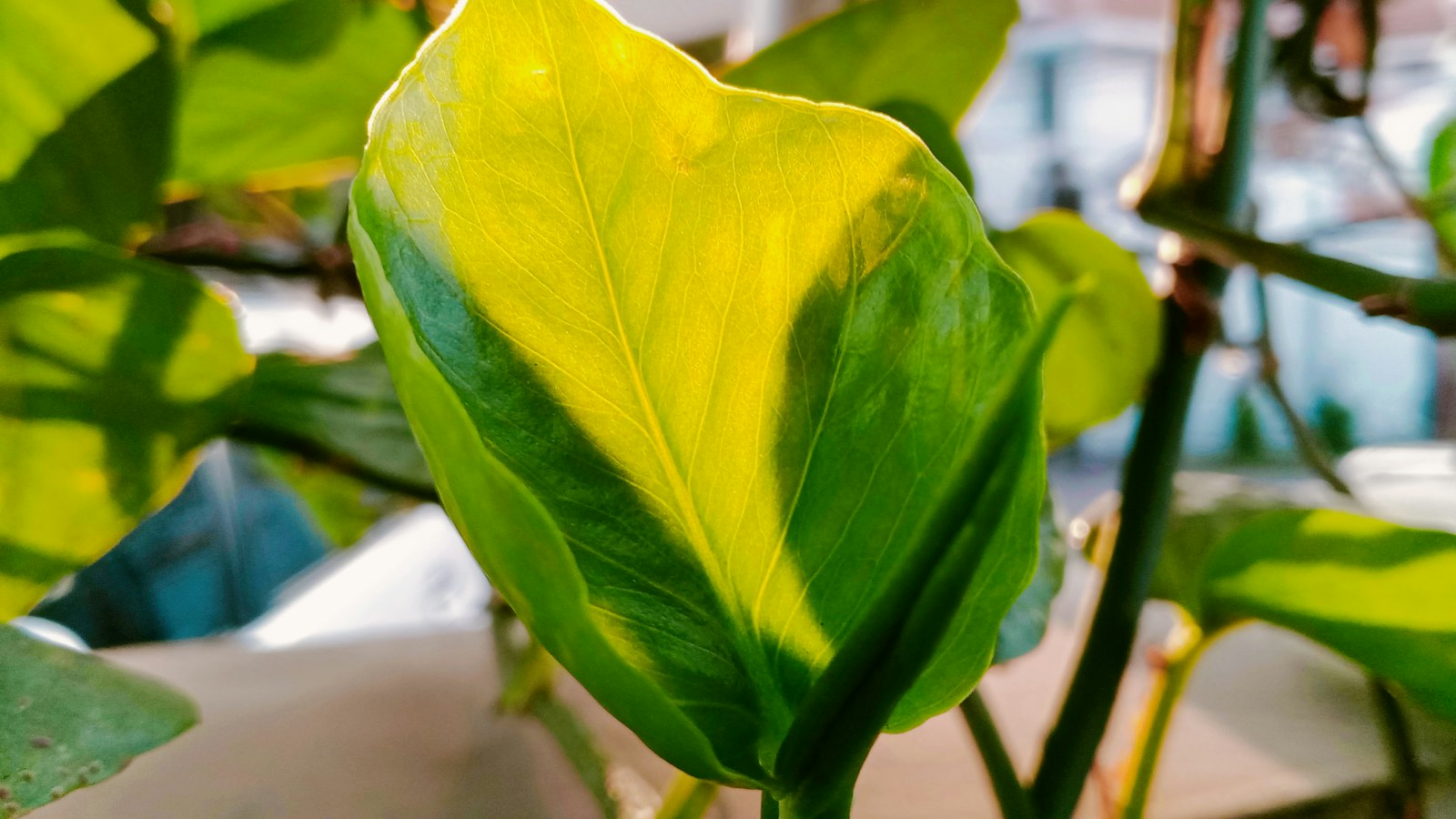
Quick answer: Most yellow leaves come from watering problems, usually too much water, not too little. Check the soil first: push your finger 3–4 cm into the pot. If it is wet and the yellow leaves are soft, water less and make sure the pot drains. If it is bone dry and the leaves are crisp, water more deeply. If the soil is fine, look at light, food and pests next.
A yellow leaf is your plant talking. The colour comes from chlorophyll breaking down, and plants do that for a handful of reasons. The good news: once you know where the yellow is and how the leaf feels, you can usually narrow it down in a couple of minutes.
First, a 2-minute check
Before you change anything, look at three things:
- Where is the yellow? Old lower leaves, new top leaves, or all over?
- How does the leaf feel? Soft and limp, or dry and crispy?
- How is the soil? Push a finger in. Wet, damp or dry?
Keep your answers in mind as you read the causes below.
1. Too much water (the most common cause)
Signs: lower leaves turn yellow and soft, the soil stays wet for days, sometimes a sour smell or small flies (fungus gnats) around the pot.

Roots need air as well as water. When the soil stays soggy, roots can't breathe and start to rot, so they stop feeding the leaves.
What to do:
- Let the top few centimetres of soil dry out before you water again.
- Make sure the pot has a drainage hole and empty the saucer after watering.
- If the plant keeps getting worse, slide it out of the pot. Healthy roots are firm and pale; rotten roots are brown, mushy and smell bad. Trim the bad ones and repot into fresh, well-draining soil.
2. Too little water
Signs: leaves go yellow, then brown and crispy, often starting at the edges. The soil pulls away from the sides of the pot and feels very light.

What to do: water slowly until it runs out of the bottom. If the soil is so dry that water runs straight through, sit the pot in a bowl of water for 20–30 minutes so the soil can soak it up again, then let it drain.
3. Not enough light
Signs: leaves turn pale yellow-green across the whole plant, new growth is small and stretched towards the window, and lower leaves drop.
What to do: move the plant closer to a bright window, but not into harsh afternoon sun if it is a shade-loving plant. Turn the pot a quarter turn every week so all sides get light.
4. Too much direct sun or heat
Signs: yellow or bleached patches on the leaves that face the sun, sometimes with brown, papery spots. Common in summer behind glass, where the heat builds up.
What to do: pull the plant back a little from the window or use a light curtain. In very hot weeks, outdoor pots dry out much faster, so check the soil more often, ideally in the early morning.
5. Hungry plant (nutrient deficiency)
Signs depend on the nutrient:
- Old lower leaves yellow first, evenly: often nitrogen. The plant moves it from old leaves to new ones.
- New leaves yellow, but the veins stay green: often iron. This is common in alkaline soil or when you water with hard tap water.
What to do: feed with a balanced liquid fertiliser at half strength during the growing season, following the label. For iron problems, a chelated iron product and slightly acidic soil can help. More fertiliser is not better: too much burns the roots and causes yellow, crispy edges.
Older leaves yellow between the veins? That pattern often points to magnesium, not iron. Like nitrogen, magnesium moves from old leaves to new ones, so the oldest leaves show it first. Iron shortage shows on the newest leaves instead.
Pots that are watered often lose nutrients through the drainage hole, so a plant that hasn't been fed for a year is a likely candidate. A complete houseplant fertiliser that lists magnesium and trace elements usually fixes both. See our guide on how to fertilise houseplants for how much and how often.
6. Hard tap water and salt build-up
Signs: a white crust on the soil or around the pot rim, brown leaf tips, and slow yellowing over months.
Tap water in many cities is "hard": it carries dissolved minerals that build up in the soil over time.
What to do: every month or two, water slowly and heavily so plenty of water runs out of the drainage hole. This flushes out the salts. For sensitive plants, use rainwater or filtered water when you can. Letting tap water stand overnight only lets some chlorine escape; it does not remove the minerals that cause the crust.
7. Pests
Signs: yellow speckles or patches, sticky leaves, tiny webs, or small white cottony spots in the leaf joints. Check the underside of the leaves.
- Spider mites: fine webbing and tiny dots, worse in hot, dry air.
- Mealybugs: white cotton-like clusters.
- Aphids: small green or black insects on new shoots.
What to do: isolate the plant from your others, wipe the leaves with a damp cloth, and for small infestations dab mealybugs with a cotton bud dipped in rubbing alcohol. Rinse spider mites off in the shower and raise the humidity. Repeat every few days, because eggs hatch later.
For a full treatment plan, see how to get rid of mealybugs and spider mites and our neem oil spray recipe.
It might be perfectly normal
Not every yellow leaf is a problem. Many plants let one or two of their oldest, lowest leaves turn yellow and drop as they grow. If the rest of the plant looks healthy and the new growth is green, simply pull the old leaf off and carry on.
A plant that was just moved or repotted can also drop a few leaves while it settles into its new spot. Give it two or three weeks before you change anything else.
Lots of leaves yellowing in a day or two? That is usually shock, not disease. A cold draught from a window or door, the blast from an air conditioner, or a move from a bright nursery into a darker room can all make a plant drop leaves quickly. Move it out of the draught, keep its care steady, and it will usually recover.
If yellowing keeps spreading and the stems turn soft or dark at the soil line, check the roots. Our guide to root rot shows how to spot it, and how to repot a plant covers moving it into fresh mix.
Should I cut off yellow leaves?
Yes, once a leaf is mostly yellow it will not turn green again. Removing it keeps the plant tidy and lets it focus on new growth. Pull it gently or cut it close to the stem with clean scissors. Just don't remove a lot of leaves at once from an already weak plant.
Quick reference
| What you see | Most likely cause | First thing to try |
|---|---|---|
| Lower leaves yellow and soft, soil wet | Overwatering | Let soil dry, check drainage |
| Leaves yellow then crispy, soil dry | Underwatering | Water deeply, soak the pot |
| Whole plant pale, stretching to the window | Low light | Move closer to light |
| Bleached patches on the sunny side | Too much sun or heat | Pull back from the window |
| New leaves yellow, green veins | Iron deficiency | Chelated iron, flush salts |
| White crust on soil, brown tips | Salt build-up | Flush the soil with lots of water |
| Speckles, webs or white fluff | Pests | Isolate, clean, treat |
Not sure which one it is?
Take a clear photo of the leaf, top and bottom, in daylight. In the GreenScan Plant AI app, the health check looks at the photo and suggests what might be wrong and what to try first, and you can ask the Ask Botanist chat follow-up questions. It is a helpful guide, not a guarantee, so if a valuable plant keeps getting worse, a local nursery or plant expert is worth a visit.
FAQ
Can a yellow leaf turn green again? Usually not. If the cause was mild and caught early (for example a light nutrient gap), a slightly pale leaf can recover some colour, but a fully yellow leaf won't. Fix the cause and watch the new growth.
Why are my new leaves yellow but the old ones green? That pattern often points to iron or another nutrient the plant can't move to new growth, frequently made worse by hard water or alkaline soil.
Do yellow leaves mean my plant is dying? Not on their own. One or two old leaves turning yellow is normal. Worry when yellowing spreads quickly, the stems turn soft or black, or the soil smells rotten. That usually means root rot and needs action soon.
How often should I water to avoid yellow leaves? There is no fixed schedule; it depends on the plant, pot, light and season. Water when the top few centimetres of soil are dry, and always let extra water drain away.
Sources and further reading
- Why are the leaves on my indoor plant yellowing?, Missouri Botanical Garden (Gardening Help FAQ)
- Chlorosis, University of Illinois Extension
- Why does my houseplant have brown leaf tips and edges?, Iowa State University Extension (Yard and Garden)
Cover photo: Dugi Mulio Wibowo / Unsplash.