Quick answer: Root rot happens when roots sit in soggy, airless soil and start to die and decay. The giveaway is a plant that wilts or yellows even though the soil is wet. Slide the plant out of its pot: healthy roots are firm and white or light tan; rotten roots are brown or black, mushy and smell bad. To save it, cut away every soft root, repot into fresh, airy mix in a pot with a drainage hole, and water lightly until new growth appears. Caught early, most plants recover.
Root rot is one of the most common reasons houseplants die, and it is sneaky because the damage happens where you can't see it. By the time the leaves look sick, the roots have often been struggling for weeks. The good news: if some healthy roots are left, you can usually rescue the plant with a pair of scissors and fresh soil.
What causes root rot?
Roots need air as much as they need water. When soil stays wet for too long, the tiny air pockets fill with water and the roots begin to suffocate. Weak, dying roots are then easy targets for fungi and water moulds (such as Pythium, Phytophthora and Fusarium) that live in soil and spread the rot.
The most common triggers:
- Watering on a schedule instead of when the soil is actually dry. See our guide on how often to water your plants.
- No drainage hole, or a decorative outer pot that collects water at the bottom.
- Dense, old or heavy soil that holds water like a sponge. Garden soil in pots is a classic cause.
- A pot that is far too big, so a lot of soil stays wet around a small root ball.
- Low light and cool rooms, where the plant uses water slowly and the soil takes ages to dry.
Signs of root rot (above and below the soil)
| What you see | Where | What it suggests |
|---|---|---|
| Wilting or drooping while the soil is still wet | Leaves | The roots can't take up water anymore. This is the classic sign. |
| Yellowing lower leaves that turn soft rather than crispy | Leaves | Overwatering and early rot. See why leaves turn yellow. |
| Brown or black patches spreading from the leaf base or stem | Leaves, stem | Rot moving up from the roots |
| A soft, dark or mushy stem near the soil line | Stem base | Advanced rot; act fast |
| Sour, rotten or "swampy" smell from the soil | Soil | Decaying roots |
| Fungus gnats, mould on the soil surface | Soil | Soil staying wet for too long |
| Plant wobbles in the pot, feels loose | Whole plant | Roots have rotted away and no longer anchor it |
Don't confuse it with thirst. An underwatered plant also wilts, but its soil is dry, its leaves feel crispy, and it perks up within a day of watering. A plant with root rot wilts in wet soil and does not recover after watering.
How to check the roots in 2 minutes
- Don't water first. Check the plant with the soil as it is now.
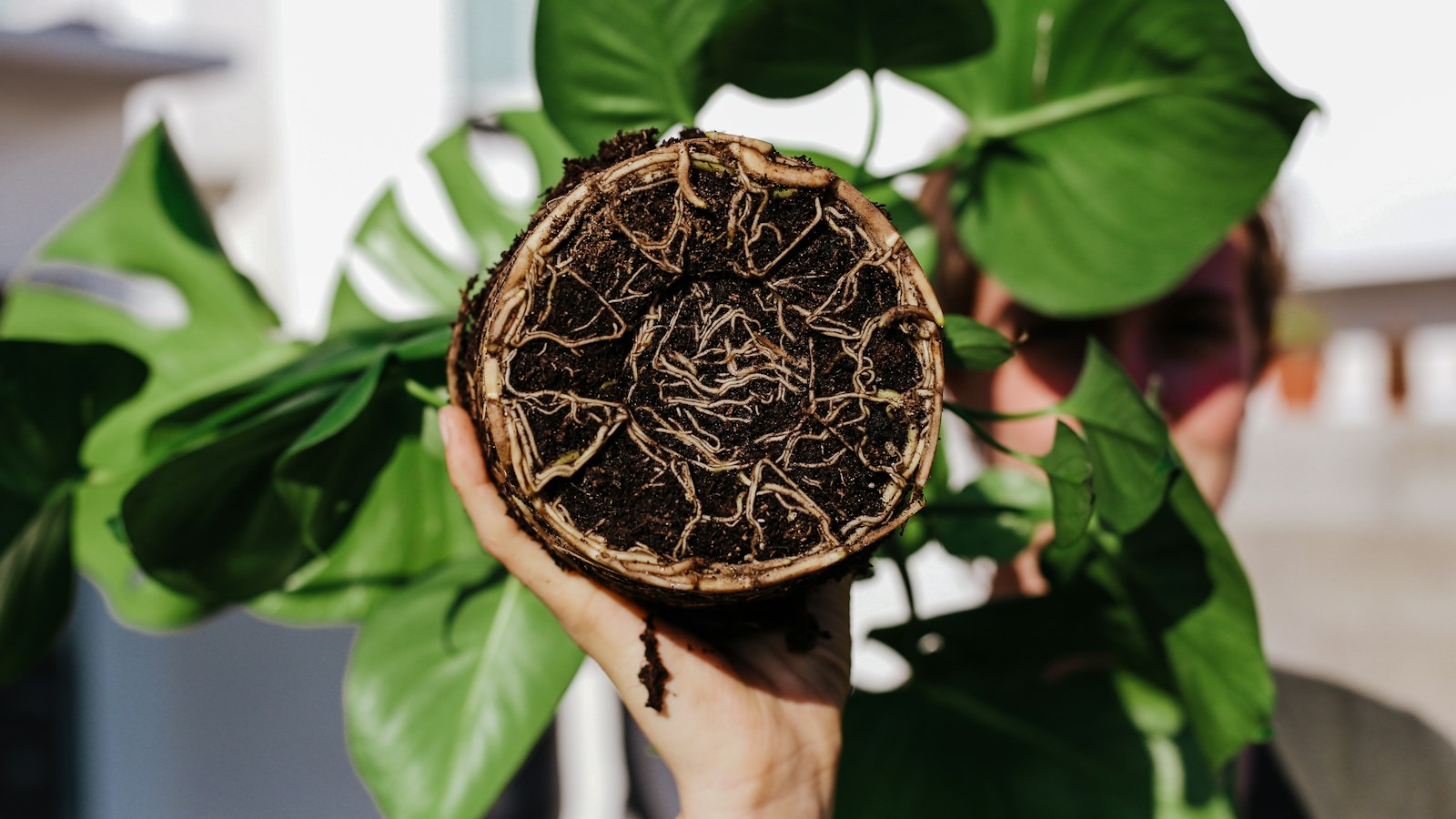
- Turn the pot on its side, hold the plant at the base of the stems, and gently ease it out. Squeeze or tap a plastic pot to loosen it.
- Look at the outside of the root ball, then gently crumble away some soil to see the inner roots.
- Compare what you see:
| Healthy roots | Rotten roots |
|---|---|
| White, cream or light tan (some plants have orange or brown roots naturally, but they are still firm) | Brown, grey or black |
| Firm and springy | Soft, mushy, slimy |
| Outer skin stays on when you pull gently | Outer layer slides off, leaving a thin string inside |
| Smell earthy, like fresh soil | Smell rotten or sour |
If most roots are firm and only the soil is soggy, you have caught it in time: let the soil dry out and fix the watering. If you find soft, dark roots, move on to the rescue.
Step-by-step: how to save a plant with root rot

You'll need: clean, sharp scissors or pruners, a little rubbing alcohol to wipe the blades, fresh potting mix, and a pot with a drainage hole.
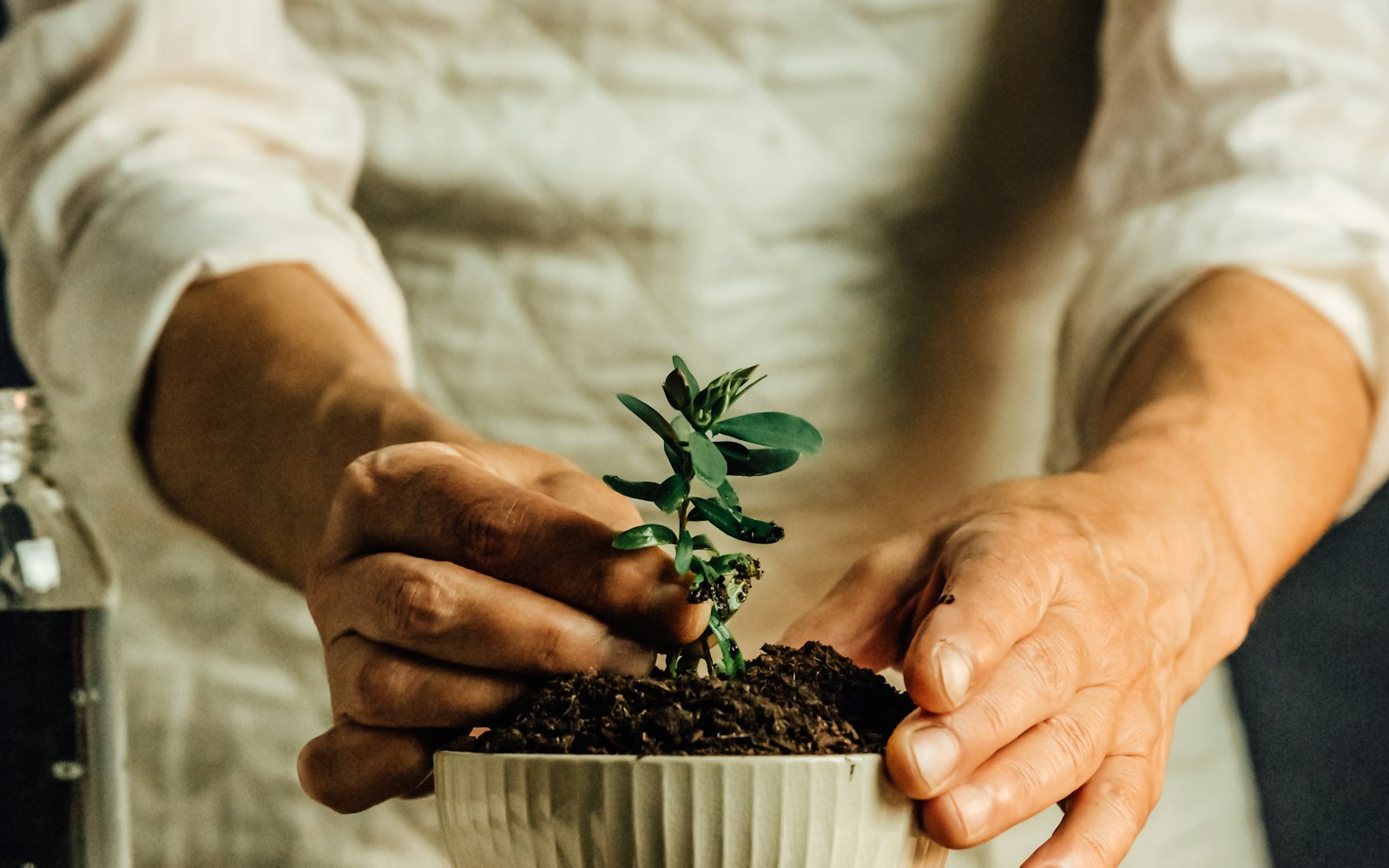
- Remove the old soil. Shake it off, then rinse the roots gently under room-temperature water so you can see them clearly. Throw the old soil away; don't reuse it.
- Cut off every rotten root. Trim back to firm, pale tissue. Wipe your blades with alcohol between cuts so you don't spread the rot. Be brave: leaving mushy roots behind means the rot keeps going.
- Trim the top to match. If you removed a lot of roots, also remove some leaves (start with yellow or damaged ones). Fewer roots can only support fewer leaves.
- Let the roots breathe. Leave the plant on newspaper for 30–60 minutes so the cut ends can dry slightly. Succulents and cacti can dry for a day or two.
- Choose the right pot. Use a pot with a drainage hole, only slightly bigger than the remaining root ball. If you reuse the old pot, scrub it with hot soapy water, then wipe or soak it in a 10% bleach solution (1 part bleach to 9 parts water) and rinse well.
- Repot in fresh, airy mix. For most houseplants, potting mix with about one-third perlite or bark works well; succulents need a gritty mix. Our potting mix guide has easy recipes.
- Water lightly, once. Just enough to settle the soil, and let all the excess drain away. Empty any saucer.
- Give it gentle care. Bright, indirect light, no direct hot sun, and no fertiliser for at least 4–6 weeks. Water again only when the top few centimetres of soil are dry.
Expect the plant to look a little sad for a week or two. New leaves or fresh root tips are the sign it is recovering.
Do you need a fungicide? Usually not. The University of Wisconsin Plant Disease Diagnostics Clinic does not recommend chemical fungicides for root rot on houseplants, because few products are sold to home gardeners and they are expensive. Home remedies such as cinnamon powder are not a proven cure either. What works is removing the rotten roots, using fresh potting mix and stopping the soil from staying wet. For a plant you really care about, taking a few cuttings as a back-up is cheaper insurance than any spray.
What if almost all the roots are gone?
Sometimes the root ball is almost entirely mush. You can still save the plant by taking cuttings from the healthy top growth.
- Pothos, philodendron, monstera, tradescantia, coleus: cut a healthy stem with at least one node and root it in water. See how in our money plant guide.
- Snake plant: cut healthy leaf sections and let them callus before planting. See our snake plant guide.
- Succulents: remove healthy leaves or rosettes, let them dry for a few days, then place them on dry, gritty soil.
- If the main stem is soft and dark all the way up, the plant is unlikely to recover; take cuttings if you can and let the rest go.
How to stop root rot coming back

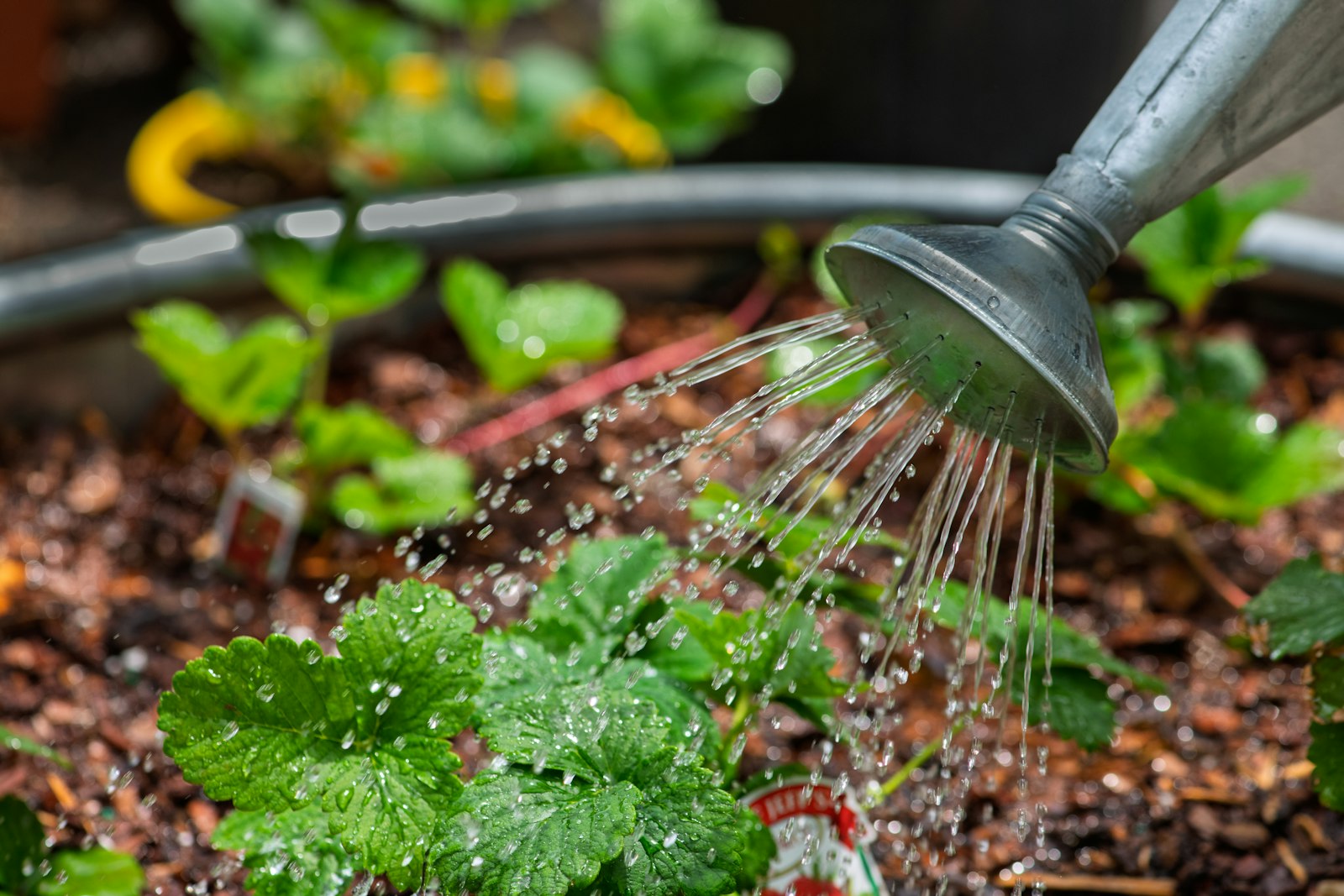
- Water by checking, not by calendar. Push a finger 2–3 cm into the soil; water only when it feels dry (succulents: when it is fully dry).
- Always use a drainage hole. If you love a decorative pot without one, use it as an outer cover and keep the plant in a plastic nursery pot inside. Tip out any water that collects after 15 minutes.
- Use a light, chunky mix and refresh it every year or two, because old mix breaks down and stays wet.
- Pick the right pot size. Go up only 2–5 cm in diameter when repotting. Terracotta dries faster than plastic, which helps plants that hate wet feet. Our repotting guide explains when and how.
- Water less in winter and in low light. Plants grow slowly then and use much less water.
- Lift pots off cold floors and avoid leaving them standing in rainwater outdoors after a storm.
Watch out in the monsoon. During the rains, humidity is high and pots dry out far more slowly, even though it is hot. Plants on open balconies and roofs can sit in waterlogged soil for days. Move pots under cover or tilt them after heavy rain so water runs off, raise them on pot feet or bricks so the drainage hole is never blocked, and check the soil before every watering rather than following your dry-season routine.
Let GreenScan help
Not sure whether your plant is thirsty or drowning? Take a photo with the GreenScan Plant AI app for a health check, or describe what you see to Ask Botanist and get a second opinion on the next step. You can also set watering reminders, then check the soil before you water each time.
FAQ
Can a plant recover from root rot on its own? Only if it is very mild and you fix the cause straight away: let the soil dry out and water less. Once roots are soft and dark, they won't heal. They need to be cut away so the rot doesn't spread to the healthy ones.
Should I use hydrogen peroxide on rotten roots? Some gardeners rinse trimmed roots in household hydrogen peroxide (the 3% kind sold in pharmacies), diluted further with water. It may help clean the roots, but it is not a cure. Removing the rotten roots and fixing the soil and watering are what actually save the plant.
How long does it take a plant to recover from root rot? Usually a few weeks to a couple of months. You'll see it first as new leaves or firm new root tips. Keep care gentle and don't fertilise during this time.
Is root rot contagious to my other plants? The fungi and water moulds involved can spread through infected soil, water and tools. Don't reuse old soil, clean pots and scissors after use, and don't let water from a sick plant's saucer drip into other pots.
Do self-watering pots cause root rot? They can if the soil stays constantly wet, especially for succulents, snake plants and other plants that like to dry out. They work best for thirsty plants and with a light, airy mix. Let the reservoir run dry now and then.
Sources and further reading
- Root Rots on Houseplants, University of Wisconsin–Madison Plant Disease Diagnostics Clinic
- Phytophthora root rot, Royal Horticultural Society (RHS)
- How to repot a plant, Royal Horticultural Society (RHS)
Cover photo: Josue Michel / Unsplash.