Quick answer: A good potting mix holds some water but lets air reach the roots and extra water drain away. For most houseplants, use a quality indoor potting mix and add about one-third perlite or bark to lighten it. Succulents and cacti need a gritty, fast-draining mix; seedlings need a fine, light one. Never use plain garden soil in pots: it packs down, stays wet and suffocates roots.
Soil is the part of plant care most people never think about, yet it decides how often you water, how quickly roots rot, and how well a plant grows. The good news: you don't need a chemistry degree. Once you know what each ingredient does, choosing or mixing the right blend is simple.
Why garden soil doesn't work in pots
In the ground, soil is part of a huge, living system: worms dig tunnels, water drains away deep below, and roots can spread in every direction. In a pot, none of that happens. Garden soil:
- Packs down into a dense block after a few waterings.
- Stays wet at the bottom of the pot, so roots can't breathe and start to rot.
- Shrinks away from the pot edges when dry, so water runs down the sides instead of soaking in.
- Can carry pests, weed seeds and disease.
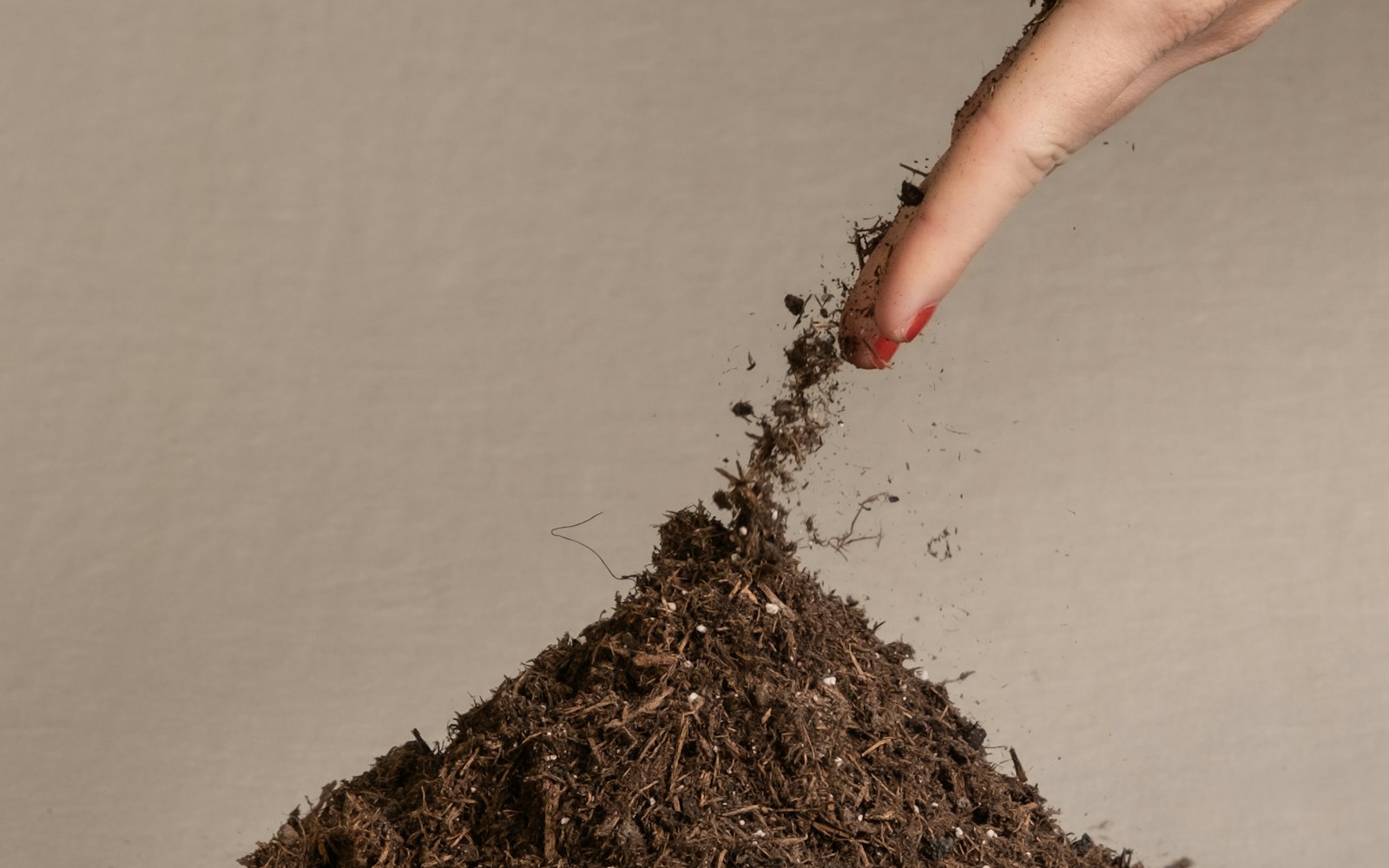
Potting mix is designed for life in a container: light, airy and free-draining, while still holding enough water and nutrients.
What's in a potting mix?
Most mixes combine a water-holding base with ingredients that add air and drainage, plus something for nutrients.
| Ingredient | What it does | Good to know |
|---|---|---|
| Coco coir | Holds water, light and airy | Made from coconut husks; a renewable alternative to peat. Rinse cheap coir to remove salts. |
| Peat moss | Holds a lot of water | Strongly acidic, so bagged peat mixes have lime added; harvesting it damages peat bogs, so many gardeners now choose coir instead. |
| Perlite | Adds air and drainage; very light | The white "beads" in most mixes. Can float to the top after watering. |
| Pumice | Adds air and drainage; heavier than perlite | Doesn't float; great for succulents and top-heavy plants. |
| Orchid bark | Creates big air pockets; chunky texture | Ideal for orchids, monstera, philodendron and other climbers. |
| Vermiculite | Holds water and nutrients | Useful for seed starting and thirsty plants; less airy than perlite. |
| Compost / worm castings | Adds nutrients and helpful microbes | Use in moderation; too much stays wet and heavy. |
| Coarse sand or grit | Adds weight and drainage | Use coarse horticultural grit, not fine beach or builder's sand, which clogs the mix. |
| Horticultural charcoal | Adds structure | Optional. It doesn't "purify" soil, but it adds chunky pieces that improve air flow. |

A note on pH. Most houseplants grow best in a mix that is slightly acidic to neutral. Peat moss is strongly acidic, so ready-made peat mixes usually have lime added to balance it. If you make your own peat-based mix, buy a limed product or add a little garden lime, following the pack. Coco coir is much closer to neutral and doesn't need lime, but cheap coir can be salty, so soak and rinse it before use. Compost and worm castings are usually close to neutral too.
5 easy DIY potting mix recipes
All recipes are in parts by volume, so use any container to measure: a cup, a scoop or a small pot.
1. All-purpose houseplant mix
For pothos, peace lily, dracaena, Chinese evergreen, spider plant and most leafy houseplants.
- 2 parts quality potting mix or coco coir
- 1 part perlite
- 1 part orchid bark (or more perlite)
2. Chunky aroid mix
For monstera, philodendron, anthurium, alocasia and other plants with thick, fleshy roots.
- 1 part potting mix or coco coir
- 1 part orchid bark
- 1 part perlite or pumice
- A handful of worm castings per pot (optional)
3. Succulent and cactus mix
For succulents, cacti, jade, aloe, snake plants and ZZ plants.
- 1 part potting mix
- 1 part perlite or pumice
- 1 part coarse grit
It should feel gritty and drain almost instantly. See our snake plant guide for how dry these plants like to be.
4. Seed-starting mix
For sowing seeds and rooting cuttings.
- 1 part fine coco coir or peat-free seed compost
- 1 part vermiculite or fine perlite
Keep it fine and light so tiny roots can push through easily. No added fertiliser; seedlings are sensitive.
5. Containers for herbs and vegetables
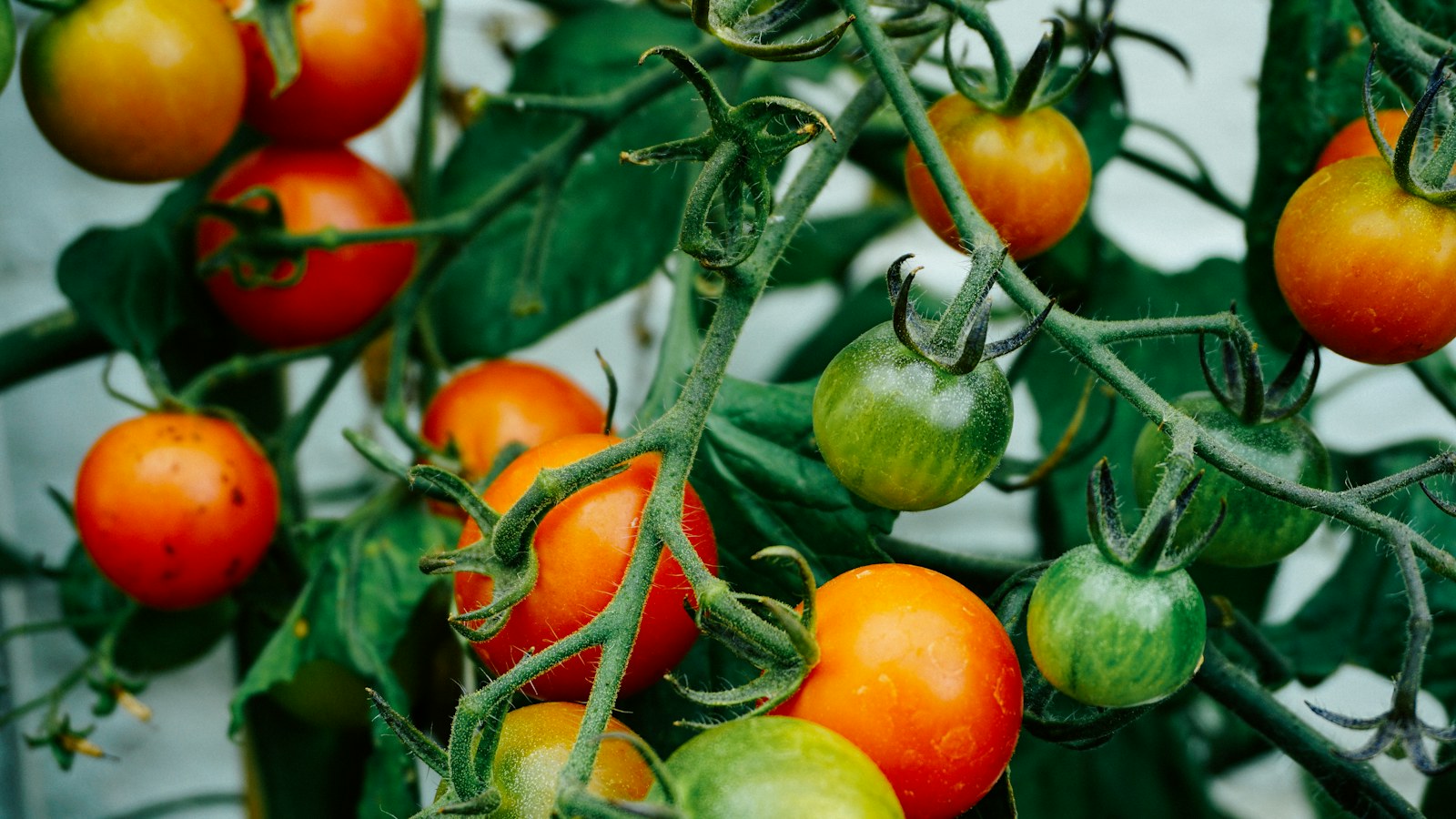
For tomatoes, chillies, herbs and leafy greens in pots, on balconies and roofs.
- 2 parts potting mix
- 1 part compost
- 1 part perlite
Vegetables are hungry, so the compost adds nutrients. In hot climates, add a mulch layer on top to keep the soil cool; see protecting plants in extreme heat.
For cactus and succulent mixes in more detail, see 7 succulent care mistakes.
Ready-made mixes: what to look for
You don't have to mix your own. When buying a bag:
- Choose "indoor" or "houseplant" potting mix for houseplants, "cactus and succulent" mix for succulents, and "seed and cutting" mix for seeds.
- Squeeze a handful when damp. It should hold together loosely, then crumble apart. If it stays in a sticky ball, it is too dense; add perlite or bark.
- Avoid bags that are soaking wet, smell sour or have visible mould or tiny flies.
- Check for "peat-free" if you want a more sustainable choice.
- Many bagged mixes contain slow-release fertiliser. That's fine; just wait longer before your first feed.
Signs your mix is wrong

| What you notice | What it means | What to do |
|---|---|---|
| Soil stays wet for more than a week; lower leaves yellow | Mix is too dense or water-retentive | Repot with more perlite or bark |
| Water runs straight through; plant wilts quickly | Mix is too coarse, or old and water-repellent | Soak the pot; add coir; repot if needed |
| Soil has shrunk away from the pot sides | Peat- or coir-based mix dried out too much | Bottom-water to rehydrate; water more evenly |
| White crust on the surface | Salt build-up from fertiliser or hard water | Flush with plenty of water; replace the top layer |
| Tiny flies around the pot | Fungus gnats in a mix that stays too wet | Let it dry more between waterings; use a lighter mix |
| Soil feels hard, compacted and smells sour | Old, broken-down mix | Repot into fresh mix |
If your mix stays wet and the plant is struggling, it may be time for a fresh start; our step-by-step guide on how to repot a plant walks you through it.
A quick safety note
Potting mix is generally safe to handle with simple precautions, but it is not sterile. Dry mix can be dusty, and it can contain bacteria and fungi.
- Dampen the mix before you use it to keep the dust down.
- Wear gloves, and a dust mask if you are mixing a large amount of dry material indoors.
- Wash your hands afterwards.
Legionnaires' disease risk. Bagged potting mix and compost can carry Legionella longbeachae, a bacterium that can cause a serious lung infection if you breathe in contaminated dust. Most cases are reported in Australia and New Zealand, but the precautions are simple and worth taking anywhere:
- Put on a dust mask and gloves before you open the bag.
- Open bags slowly, away from your face, ideally outdoors.
- Wet the mix first so dust doesn't rise.
- Wash your hands with soap before eating or drinking, even if you wore gloves.
If you get a fever and cough within a couple of weeks of potting, see a doctor and mention the potting mix.
Let GreenScan help
Not sure which group your plant belongs to? Scan it with the GreenScan Plant AI app to get its name and care basics, then pick the matching mix from the recipes above. If a plant starts yellowing or wilting after repotting, take a photo for a health check or ask Ask Botanist what might be wrong.
FAQ
Can I mix garden soil with potting mix? It's best not to for houseplants. Even a little garden soil makes the mix denser and can bring in pests. For large outdoor containers, a small amount of good garden compost is fine, but not plain soil.
Is cactus mix good for all plants? No. It drains too fast for most leafy houseplants, which would need watering very often. Use it for succulents, cacti and other drought-tolerant plants.
How long does potting mix last? In a pot, most mixes break down and compact after 1–2 years, which is one reason to repot. An unopened bag stored dry keeps for a long time; an opened bag is best used within about a year.
Do I need to add rocks or gravel at the bottom of the pot? No. Studies disagree on whether a gravel layer helps or harms drainage, but it isn't needed and takes up room the roots could use. A drainage hole and an airy mix are what matter.
Can I reuse old potting mix? For houseplants, fresh mix is better. Old mix is often compacted and low in nutrients and can carry pests. Add old mix to garden beds or compost instead.
Sources and further reading
- Homemade Potting Mix, UF/IFAS Extension Sarasota County
- Stay safe from legionnaires' disease when gardening, NSW Health (New South Wales Government)
- Effect of drainage layers on water retention of potting media in containers (Rowe, 2025), PLOS ONE
- Root Rots on Houseplants, University of Wisconsin–Madison Plant Disease Diagnostics Clinic
Cover photo: feey / Unsplash.