Quick answer: In 40°C+ heat, water early in the morning, deeply, and check small pots again in the evening. Give plants afternoon shade (a 30–50% shade cloth, a wall or a bigger plant), mulch the soil, and lift pots off hot concrete. Don't fertilise, prune hard or repot during a heatwave. A little wilting in the afternoon can be normal; if the plant perks up by evening, it is coping.
In places where summer regularly passes 40°C, from South Asia and the Middle East to Australia and the American Southwest, heat is the biggest test a garden faces each year. Roofs, balconies and courtyards get even hotter than the forecast, because concrete and walls soak up the sun and give it back all evening. The good news is that most plants survive a heatwave well if you help them with water, shade and position.
What heat does to a plant
Plants cool themselves by releasing water through tiny pores in their leaves, much like we sweat. In extreme heat they lose water faster than the roots can replace it. When that happens:
- Leaves wilt to reduce the area facing the sun.
- Pores close to save water, so the plant stops cooling and stops growing.
- Leaf tissue burns where the sun hits hardest, leaving bleached, papery or brown patches (sunscald).
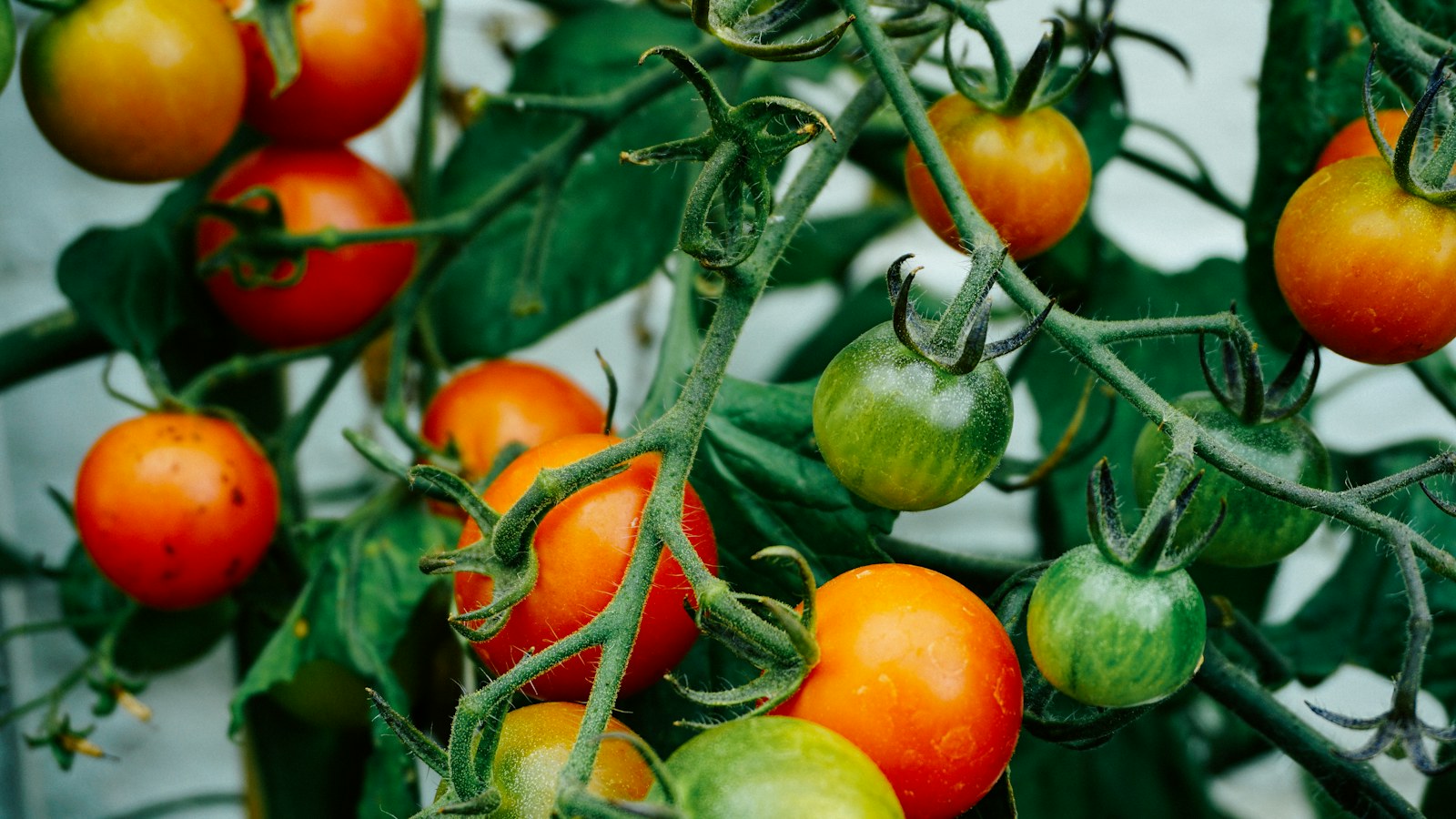
- Flowers and young fruit drop, because the plant can't support them. Tomatoes often drop their flowers once days pass about 29–30°C, and peppers and beans also set less fruit in strong heat.
Pots suffer most. A small pot in full sun can lose all its water in a single afternoon, and dark plastic pots can get hot enough to damage the roots inside.

1. Water early, deeply, and check again in the evening
Watering is your main tool in a heatwave, but how and when matter.
- Water early in the morning, before the heat builds. The plant then has water through the hottest hours, and less is lost to evaporation.
- Water deeply. Keep going until water runs out of the drainage hole, or for beds, until the soil is moist 15–20 cm down. A quick splash only wets the surface.
- Check small pots again in the late afternoon or evening. In 40°C+ weather, small pots, hanging baskets and terracotta often need water twice a day.
- Don't panic-water at noon if the soil is still moist. Many plants droop in the afternoon to protect themselves and recover by evening. Check the soil first. Wet soil plus wilting means the roots need air, not more water.
- If a plant has dried out completely and is collapsing, water it right away, whatever the time. The old idea that water drops on leaves "burn" them in the sun is largely a myth; a thirsty plant needs water more than it needs perfect timing.
For more on reading soil moisture, see our guide to how often to water your plants.
Check the water before you pour. On flat roofs across Pakistan and North India, water in rooftop tanks and exposed pipes gets hot to the touch on summer afternoons. Pouring it onto roots that are already heat-stressed adds to the damage.
Run the tap until the water feels cool, fill watering cans the evening before and keep them in the shade, or water early in the morning, when the tank has cooled overnight.
2. Give plants afternoon shade
The morning sun is gentle; the afternoon sun from about noon to 4 pm does the damage. Even sun-loving plants appreciate a break when it passes 40°C.
- Shade cloth (shade net) rated 30–50% is the easiest fix for balconies, roofs and vegetable beds. Use a lighter cloth for vegetables and flowering plants, and heavier shade for ferns and leafy plants.
- Use what you have: an old bedsheet, a garden umbrella, or a cardboard sheet propped on the sunny side all help in an emergency.
- Move pots to the east side of a wall or building, where they get morning sun and afternoon shade.
- Keep shade above and around the plant, not tight against it. Air needs to flow, or you trap the heat.

Seedlings and new plants need the most help. Their roots are small and shallow, so they can dry out in hours. Plant in the late afternoon, water straight away and give them full shade for the first few days, then move them into morning sun.
In the hottest weeks, it is often easier to wait: most vegetables are much simpler to start once the worst heat passes. Our vegetable planting calendar for Pakistan shows what to sow each month, and growing tomatoes in pots covers summer care.
3. Keep the roots cool
Roots are more sensitive to heat than leaves. Protect them and the whole plant copes better.
- Mulch the soil. A 5–7 cm layer of dry leaves, straw, wood chips or coco husk keeps soil much cooler and slows evaporation. Keep mulch a few centimetres away from stems.
- Lift pots off hot surfaces. Concrete, tiles and metal roofs can be far hotter than the air. Stand pots on bricks, a wooden plank or pot feet so air flows underneath.
- Choose pots wisely. Light-coloured pots stay cooler than black ones. Terracotta keeps roots cooler but dries out faster. Bigger pots hold more soil and heat up more slowly.
- Double-pot sun-baked plants: put the pot inside a slightly larger one; the air gap acts as insulation.
- Group pots together so they shade each other's sides.
4. Protect against hot, dry wind
In many hot regions, summer brings hot, dry winds (such as the loo in Pakistan and North India). These dry leaves out even faster than heat alone.
- Move pots behind a wall or into a sheltered corner.
- Use shade cloth on the windy side as a windbreak.
- Expect pots to dry out even faster on windy days, and check them more often.
5. What NOT to do in a heatwave
| Mistake | Why it hurts |
|---|---|
| Fertilising | Feeding pushes new growth the plant can't support, and salts burn stressed roots. Wait until it cools down. |
| Repotting or transplanting | Damaged roots can't take up water when the plant needs it most. Wait for cooler weather. |
| Heavy pruning | Removing leaves exposes inner stems and lower leaves to sunburn. Only remove dead material. |
| Cutting off sun-damaged leaves straight away | Even a scorched leaf shades the leaves below it. Tidy up after the heat passes. |
| Keeping saucers full of water | Hot standing water cooks roots and invites rot. Empty saucers after watering. |
| Moving a shade plant straight into full sun | It will scorch within hours. Change light gradually. |
6. Indoor plants feel the heat too
Even indoors, plants near a west- or south-facing window can scorch behind the glass, which traps heat.
- Pull plants back a little from hot windows or use a sheer curtain in the afternoon.
- Keep plants away from the direct blast of air conditioners and air coolers. The strong, cold airflow can brown leaf edges, and AC air is also very dry.
- Indoor air gets very dry with air conditioning. Grouping plants together and using a tray of wet pebbles under pots raises humidity around them a little.
- Rooms closed up all day can get very hot. If you're away, move plants to the coolest room.
Signs of heat stress, and what to do
| What you see | What it means | What to do |
|---|---|---|
| Wilting in the afternoon, fine by evening | Normal heat response | Nothing; check soil in the morning |
| Wilting in the morning, dry soil | Not enough water | Water deeply now; check twice a day |
| Bleached, white or papery patches on the sunny side | Sunscald | Add shade; leave the leaves until it cools |
| Crispy brown leaf edges | Heat and dry wind | Shade, shelter from wind, water consistently |
| Flowers and small fruit dropping | Heat stress | Normal in extreme heat; fruiting resumes when it cools |
| Wilting in the morning with wet soil | Root damage or rot | Don't water; improve drainage and shade the pot |
If the damage shows as dry, crispy tips and edges, our guide to brown leaf tips helps you tell heat damage from other causes.
After the heatwave
When temperatures drop, check each plant. Trim dead leaves and stems, give a light feed once new growth appears, and repot anything whose roots were cooked in a small, hot pot. Most plants that looked bad at the peak of the heat bounce back within a couple of weeks. For yellowing that continues after the heat, see why plant leaves turn yellow.
Let GreenScan help
In the GreenScan Plant AI app, the weather card on the home screen shows local conditions so you know when a hot spell is coming, and you can set watering reminders for your plants in My Garden. If a leaf looks scorched or spotted and you're not sure whether it is heat or disease, take a photo for a health check, or ask Ask Botanist what to do for your specific plant. Treat the suggestions as a helpful guide and always check the soil yourself.
FAQ
What temperature is too hot for plants? It depends on the plant, but many common garden and houseplants start to struggle above about 32–35°C, especially in pots. Above 40°C almost every plant needs extra water and some shade, even heat-lovers like bougainvillea and succulents when they are in small pots.
Should I water plants in the afternoon heat? Early morning is best. But if a plant is badly wilted and the soil is dry, water it right away, whatever the time. Waiting can do more harm than watering at noon.
Is misting leaves helpful in a heatwave? Only a little, and only for a few minutes. Misting does not replace watering the soil. Shade and deep watering are much more effective.
Which plants handle 40°C+ heat best? Plants from hot, dry climates usually cope best once established: bougainvillea, oleander, aloe, cacti, jade, portulaca, vinca (periwinkle), lantana and many herbs like rosemary. Even these need water in pots and do better with a little afternoon shade at the peak of summer.
My plant's leaves got sunburned. Will they recover? The burned patches won't turn green again, but the plant usually recovers and grows new healthy leaves. Leave the damaged leaves on until the heat passes, then trim them.
Sources and further reading
- How to protect yourself and your plants during extreme heat, Oregon State University Extension Service
- My tomato plants are flowering, but aren't setting fruit. Why?, Iowa State University Extension (Yard and Garden)
- Why does my houseplant have brown leaf tips and edges?, Iowa State University Extension (Yard and Garden)
Cover photo: Jason Gooljar / Unsplash.