Quick answer: The most reliable low-light houseplants are the ZZ plant, snake plant, pothos (money plant), heartleaf philodendron, peace lily, cast iron plant, Chinese evergreen, parlour palm, dracaena and prayer plant. In low light they all grow slowly, so water much less than you would in a bright room, keep the leaves dust-free, and give them a spell near a window now and then. If you have pets, choose the cast iron plant, parlour palm or prayer plant.
First: what "low light" really means
No plant grows in darkness. "Low light" means a spot that is a few metres from a window, near a north-facing window, or in a room lit mostly by indirect daylight. Two quick tests help:
- The reading test: at midday, can you comfortably read a book in that spot without turning on a lamp? If yes, a low-light plant can live there. If you need a lamp, it is too dark for any plant without a grow light.
- The shadow test: hold your hand 30 cm above the spot at midday. A soft, blurry shadow means low to medium light. No shadow at all means very low light.
A room with no windows can still grow plants, but only under a grow light or bright LED lamp for 12–16 hours a day (no more than 16; plants need a dark rest too).
How far from the window? Light drops off quickly as you move away from the glass. As a rough guide from the University of Illinois Extension, a low-light plant can sit about 1 m from a north-facing window, 1–3 m from an east or west window, or 4.5–6 m from a south-facing window. In Pakistan, India and the rest of the northern hemisphere, north-facing windows get little or no direct sun, so they are the classic low-light spot. Sheer curtains, a covered balcony or a tree outside all cut the light further, so use the shadow test as well.
The 10 best low-light houseplants
1. ZZ plant (Zamioculcas zamiifolia)

Glossy, almost artificial-looking leaves and very slow growth. It stores water underground, so it is one of the hardest plants to kill by neglect.
- Care tip: water only when the soil is completely dry, often every 3–4 weeks in low light.
- Watch out: overwatering is the only common way to lose it. Toxic to pets if chewed.
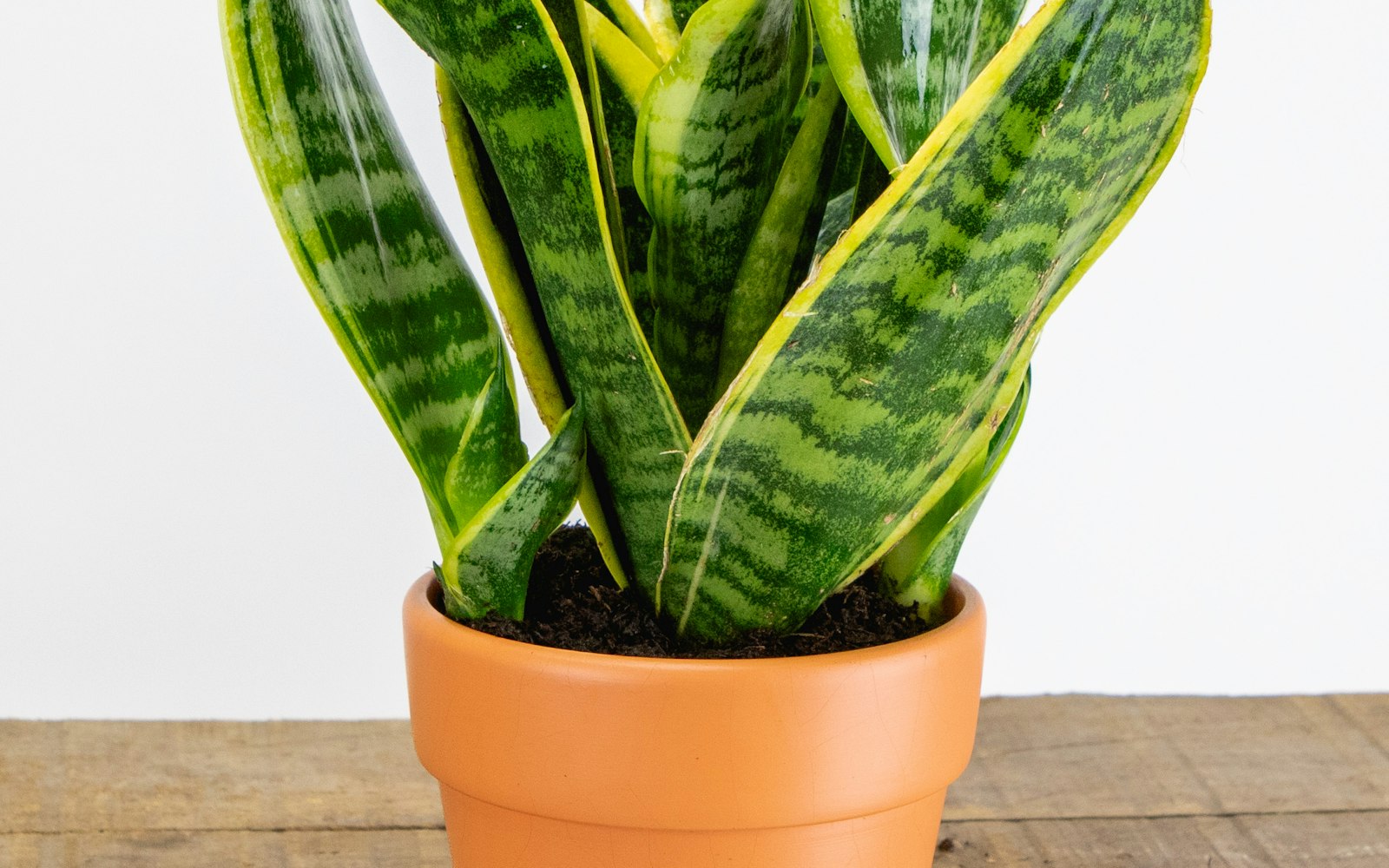
2. Snake plant
Upright, architectural leaves that look good in modern spaces and tolerate dim corners and dry air.
- Care tip: let the soil dry right through; in low light, water every 4–6 weeks.
- Watch out: soft, mushy leaves mean too much water. Mildly toxic to pets. More in our snake plant care guide.
3. Pothos (money plant)
A trailing vine that grows even in offices under fluorescent lights. Great on shelves or hanging from a hook.
- Care tip: water when the top 3–5 cm is dry; trim long, bare stems to keep it full.
- Watch out: variegated types turn plainer green in low light. Toxic to pets. See our money plant guide.
4. Heartleaf philodendron
Soft, heart-shaped leaves on trailing stems, similar to pothos but with thinner, darker leaves. It tolerates low light very well.
- Care tip: water when the top few centimetres dry; it droops a little when thirsty and recovers quickly.
- Watch out: long gaps between leaves mean it wants a bit more light. Toxic to pets.
5. Peace lily

Dark green leaves and elegant white flowers. It is one of the few flowering plants that copes with shade.
- Care tip: it wilts dramatically when thirsty and perks up within hours of watering, so it tells you when it needs water.
- Watch out: it flowers much less in low light. Brown tips mean dry air or tap water chemicals. Toxic to pets.
6. Cast iron plant (Aspidistra elatior)
Named for being nearly indestructible. Long, dark leaves rise straight from the soil and it handles deep shade, cool rooms and neglect.
- Care tip: water when the top half of the soil is dry; it grows slowly, so repot only every few years.
- Watch out: it can be hard to find and slightly expensive because it grows so slowly. Non-toxic to cats and dogs.
7. Chinese evergreen (Aglaonema)
Patterned leaves in green, silver, pink or red. Darker green varieties do best in low light; the pink and red ones need more.
- Care tip: keep it warm, away from cold drafts, and let the top few centimetres of soil dry between waterings.
- Watch out: it dislikes cold below about 15°C. Toxic to pets.
8. Parlour palm (Chamaedorea elegans)
A small, graceful palm that has been a classic indoor plant for over a century because it grows in low light.
- Care tip: keep the soil lightly moist but never soggy; wipe the fronds to keep dust off.
- Watch out: dry air can bring spider mites; check under the leaves. Non-toxic to cats and dogs.
9. Dracaena (corn plant, Janet Craig)
Tall, cane-like plants with long leaves that bring height to a dim corner. Darker green varieties like Janet Craig handle low light best.
- Care tip: water when the top few centimetres dry; use rainwater or filtered water if the tips brown.
- Watch out: sensitive to fluoride in tap water. Toxic to pets.
10. Prayer plant (Maranta)
Beautifully patterned leaves that fold up at night, like hands in prayer. It is happiest in medium-low light, out of direct sun.
- Care tip: keep the soil lightly moist and the air humid; a pebble tray helps.
- Watch out: crispy edges mean dry air or tap water. See our guide to brown leaf tips. Non-toxic to cats and dogs.
Quick comparison
| Plant | Lowest light it tolerates | Watering in low light | Safe for cats and dogs? |
|---|---|---|---|
| ZZ plant | Very low | Every 3–4 weeks | No |
| Snake plant | Very low | Every 4–6 weeks | No (mild) |
| Pothos | Low | When top 3–5 cm is dry | No |
| Heartleaf philodendron | Low | When top few cm is dry | No |
| Peace lily | Low | When it starts to droop | No |
| Cast iron plant | Very low | When top half is dry | Yes |
| Chinese evergreen | Low (dark green types) | When top few cm is dry | No |
| Parlour palm | Low | Keep lightly moist | Yes |
| Dracaena | Low | When top few cm is dry | No |
| Prayer plant | Medium-low | Keep lightly moist | Yes |
How to keep low-light plants healthy
- Water less. This is the most important rule. Plants in low light use far less water, and the soil stays wet much longer. Always check the soil before watering. See how often to water your plants.
- Don't overfeed. Slow growth means low hunger. Feed lightly 2–3 times in spring and summer at half strength.
- Dust the leaves. A layer of dust blocks the little light the plant gets. Wipe the leaves with a damp cloth every few weeks.
- Turn the pot a quarter turn every week or two so the plant doesn't lean towards the light.
- Give it a holiday. Every few months, move it closer to a window for a couple of weeks to recharge (but out of hot, direct sun).
- Use a grow light for very dark rooms. A simple full-spectrum LED bulb in a desk lamp, on for 8–12 hours a day alongside some daylight (or 12–16 hours in a room with no window), makes a big difference.
Signs it needs more light. Low-light plants tell you when a spot is too dark:
- Long, bare stems with big gaps between the leaves.
- New leaves smaller than the old ones, or no new growth in spring and summer.
- Variegated leaves turning plain green.
- Leaning hard towards the window.
- Soil that stays wet for weeks, which raises the risk of root rot.
If you see two or more of these, move the plant closer to a window or add a grow light. Choosing for a home with cats or dogs? See our pet-safe houseplants guide.
Let GreenScan help
Not sure which plant you have, or whether that corner is bright enough? Scan the plant with the GreenScan Plant AI app to get its name and care tips, including the light it prefers. Add it to My Garden and set a watering reminder, then check the soil before you water. If leaves start yellowing or browning, take a photo for a health check or ask Ask Botanist.
FAQ
Can any plant live in a room with no windows? Only under artificial light. A full-spectrum LED grow light on for 12–16 hours a day can keep low-light plants like ZZ, pothos and snake plants healthy without a window.
Are low-light plants the same as shade plants? Mostly, yes. Low-light houseplants usually come from forest floors, where they grow in the shade of taller trees. That is why they cope with indirect light indoors.
Why is my low-light plant leggy and leaning? It is stretching towards the light. Move it a little closer to a window, turn it regularly, and trim long, bare stems to encourage fuller growth.
Which low-light plants are safe for cats and dogs? From this list, the cast iron plant, parlour palm and prayer plant are non-toxic to cats and dogs. Spider plants and Boston ferns are also pet-safe, but they prefer brighter light.
Will my plant flower in low light? Peace lilies can, but they flower much more in bright, indirect light. Most low-light plants are grown for their leaves, not flowers.
Sources and further reading
- Light for Houseplants, University of Florida IFAS Extension (Gardening Solutions)
- Houseplants: Lighting, University of Illinois Extension
- Care tips for low-light tolerant houseplants, Royal Horticultural Society (RHS)
- Cast Iron Plant (Aspidistra elatior), ASPCA Animal Poison Control
Cover photo: Kate Darmody / Unsplash.