Quick answer: Many popular houseplants, including pothos, snake plant, peace lily, monstera, philodendron, ZZ plant, aloe and jade, can make cats and dogs sick if they chew them. Two are truly dangerous: true lilies (for cats, even a little pollen can cause kidney failure) and the sago palm (for dogs and cats, it can cause liver failure). Safer choices include spider plant, Boston fern, parlour palm, areca palm, calathea and prayer plant, peperomia, African violet, Christmas cactus, cast iron plant and haworthia. If your pet eats a plant and seems unwell, call your vet straight away and tell them the plant's name.
If you share your home with a curious cat or a puppy that chews everything, the plants on your shelf matter. The good news is that most "toxic" houseplants cause mouth irritation, drooling or an upset stomach rather than serious illness, and there are plenty of beautiful plants that are safe to keep. This guide shows you which is which, and what to do if your pet takes a bite.
This guide is general information, not veterinary advice. Pets react differently, and even "safe" plants can upset a sensitive stomach. If you are worried, call your vet.
Why some plants make pets sick
Plants can't run away, so many defend themselves with chemicals. The most common ones in houseplants are:
- Insoluble calcium oxalate crystals. Tiny, needle-like crystals found in pothos, philodendron, monstera, peace lily, ZZ plant, dieffenbachia and others. Chewing releases them into the mouth, causing burning, drooling, pawing at the face and sometimes vomiting.
- Saponins. Soap-like compounds in snake plant, aloe and some others that mainly cause vomiting and diarrhoea.
- Stronger toxins. A small number of plants, like true lilies and sago palm, contain substances that can damage the kidneys or liver. These are the ones to keep out of your home completely.
Common houseplants that are toxic to cats and dogs
| Plant | Main risk | What a pet might show |
|---|---|---|
| Lilies (Lilium, Hemerocallis: Easter, tiger, Asiatic, day lilies) | Kidney failure in cats. All parts, including pollen and vase water | Vomiting, not eating, lethargy. Emergency: go to the vet even if your cat seems fine |
| Sago palm (Cycas revoluta) | Liver failure, especially in dogs. Seeds are the most toxic part | Vomiting, diarrhoea, weakness, seizures. Emergency |
| Pothos / money plant | Calcium oxalates | Drooling, mouth irritation, vomiting |
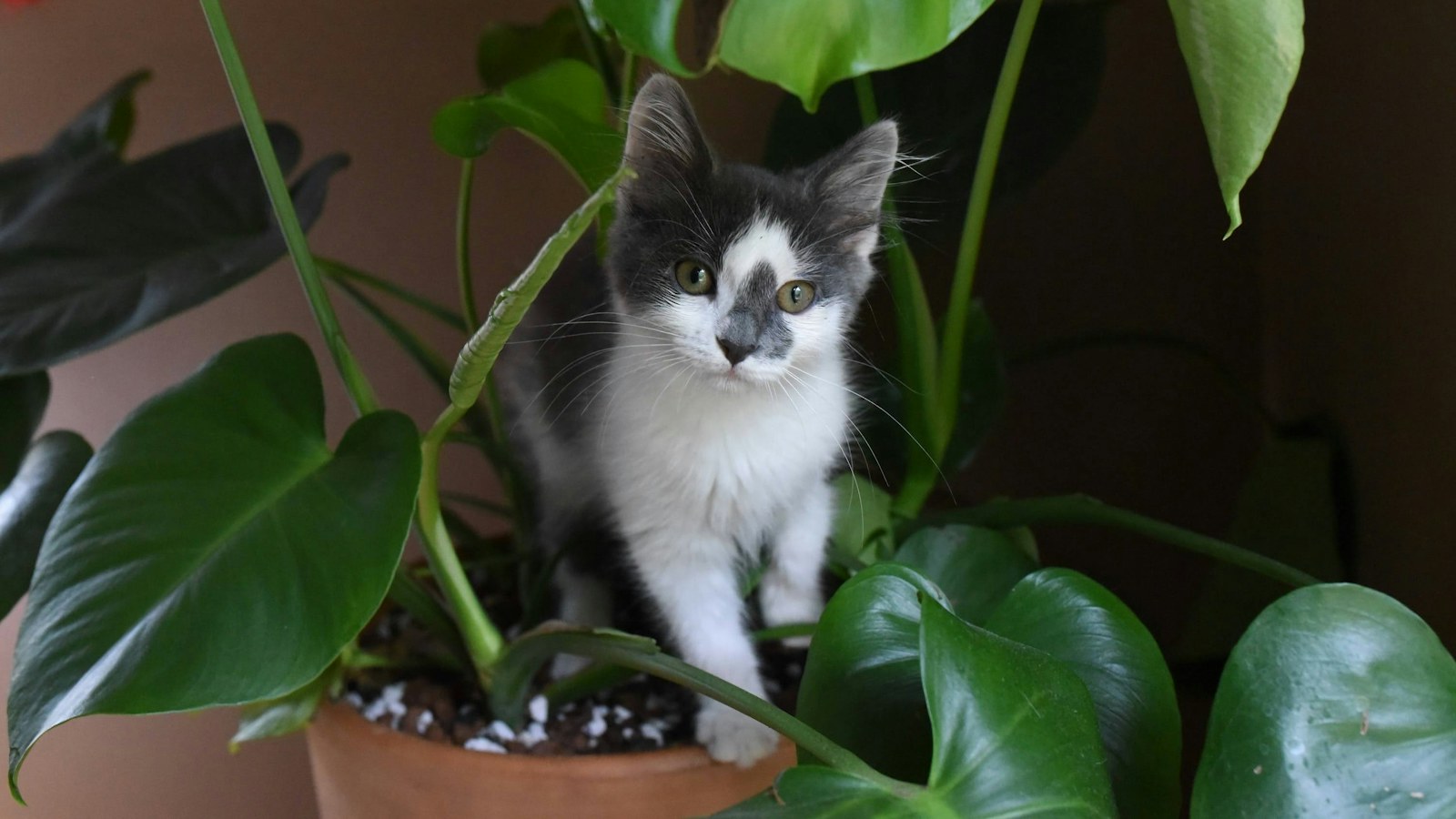
| Philodendron and monstera | Calcium oxalates | Drooling, pawing at mouth, vomiting |
| Peace lily (Spathiphyllum, not a true lily) | Calcium oxalates | Mouth irritation, drooling, vomiting |
| ZZ plant | Calcium oxalates | Mouth irritation, vomiting |
| Dieffenbachia (dumb cane) | Calcium oxalates, often strong | Intense mouth pain, drooling, swelling, trouble swallowing |
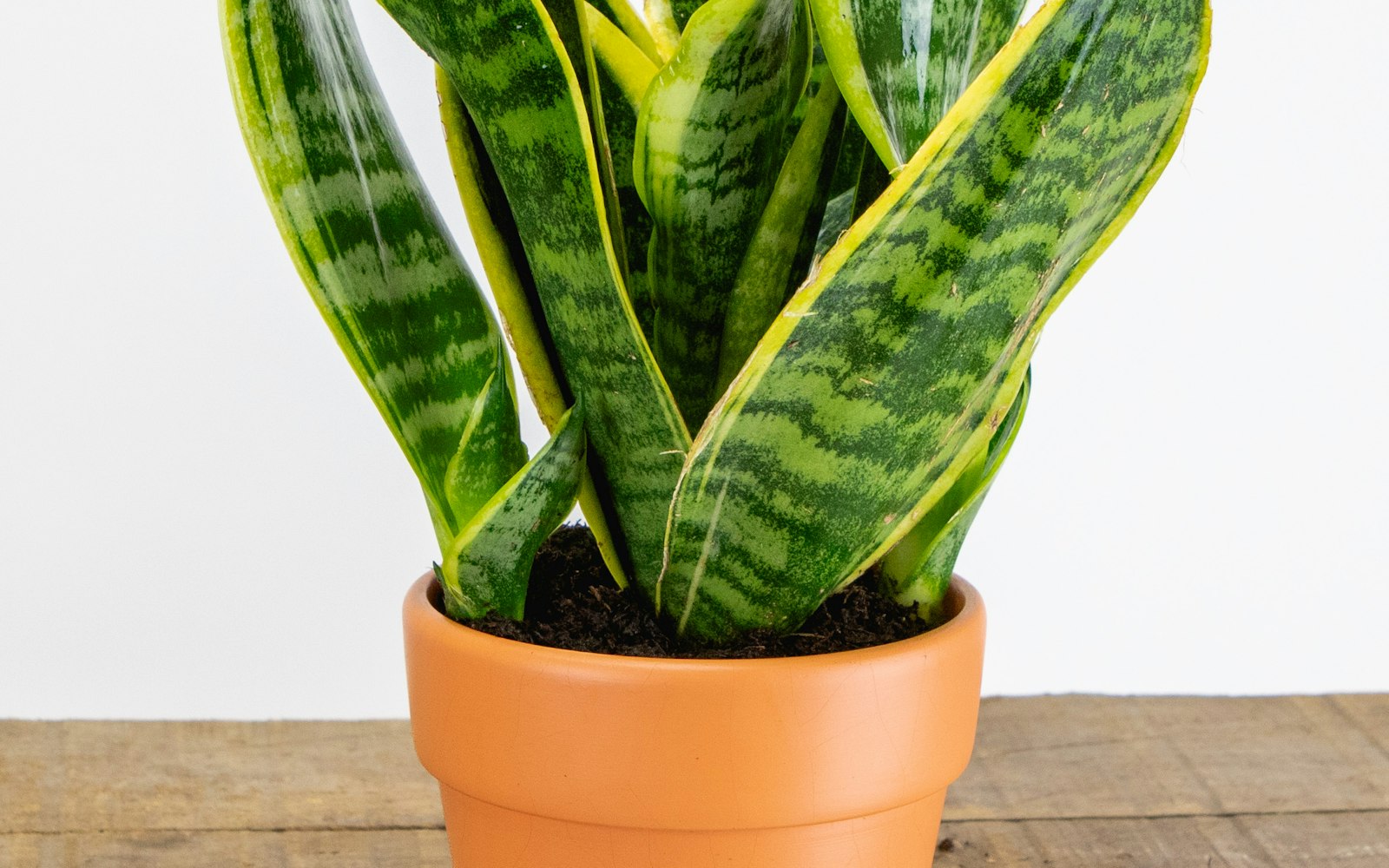
| Snake plant | Saponins | Vomiting, diarrhoea |
| Aloe vera | Saponins and other compounds | Vomiting, diarrhoea, lethargy |
| Jade plant | Not fully known | Vomiting, sometimes wobbliness or a slow heart rate |
| English ivy | Saponins | Vomiting, diarrhoea, drooling |
| Rubber plant and fiddle-leaf fig (Ficus) | Irritant sap | Mouth and skin irritation, vomiting |
Already have some of these? You don't have to throw them out. Many owners keep them high up, in hanging planters or in rooms pets can't enter. The exception is lilies and sago palms: with cats or dogs at home, it is safest not to have them at all.
Garden and balcony plants to watch in South Asia. Several plants common in gardens in Pakistan and India are also on the ASPCA's toxic list:
- Oleander (kaner, Nerium oleander): contains heart toxins and can be fatal. Treat any chewing as an emergency.
- Castor bean (arand, Ricinus communis): the seeds contain ricin and are very toxic.
- Kalanchoe: causes vomiting and diarrhoea, and rarely an abnormal heart rhythm.
- Lantana: can cause vomiting, diarrhoea, laboured breathing and weakness.
If these grow on your roof, in a shared garden or along the street, keep pets away and pick up fallen leaves and seeds.
Pet-safe houseplants you can grow instead

These plants are listed as non-toxic to cats and dogs by the ASPCA (American Society for the Prevention of Cruelty to Animals). Non-toxic doesn't mean pets should eat them: a large mouthful of any plant can still cause a bit of vomiting.
| Plant | Light | Good to know |
|---|---|---|
| Spider plant | Bright, indirect | Cats love to chew the leaves; usually harmless but can cause mild stomach upset |
| Boston fern | Bright, indirect; humid | Great in bathrooms and hanging baskets |
| Parlour palm (Chamaedorea elegans) | Low to medium | Slow-growing, very tolerant indoor palm |
| Areca palm | Bright, indirect | A big, leafy palm for a sunny corner |
| Calathea and prayer plant (Maranta) | Medium, indirect | Patterned leaves; like humidity and evenly moist soil |
| Peperomia | Medium to bright, indirect | Many shapes and colours; compact and forgiving |
| African violet | Bright, indirect | Flowers almost all year with good light |
| Christmas cactus | Bright, indirect | Not a desert cactus; likes more water than most succulents |
| Cast iron plant (Aspidistra) | Low | Nearly indestructible; perfect for dark corners |
| Haworthia | Bright | A small, aloe-like succulent that is pet-safe |
| Ponytail palm | Bright | Stores water in its swollen trunk; needs little watering |
| Moth orchid (Phalaenopsis) | Bright, indirect | Long-lasting flowers; safe for cats and dogs |
Looking for plants for darker rooms? Several of these also appear in our 10 best low-light houseplants, but check each one, as not every low-light plant is pet-safe.
Watch out for name mix-ups. "Peace lily" isn't a true lily, and "spider plant" is different from the "spider lily". Plants are often sold under different common names, so check the botanical (Latin) name on the label, or scan the plant to identify it.
Many kitchen herbs are pet-friendly too; see how to grow herbs indoors.
What to do if your pet eats a plant

- Stay calm and move your pet away from the plant. Remove any pieces from their mouth if you can do it safely.
- Identify the plant. Take a photo, find the label or note the name. This is the most useful thing your vet will need.
- Call your vet or an emergency animal clinic. Tell them what was eaten, roughly how much, and when. In the US you can also call the ASPCA Animal Poison Control Center or the Pet Poison Helpline (both may charge a fee). Elsewhere, including Pakistan and India, call your regular vet or the nearest 24-hour animal hospital, and take a photo or a piece of the plant with you.
- Don't try to make your pet vomit unless a vet tells you to. Home remedies like salt water can be harmful.
- If a cat touched a lily in any way (chewing a leaf, licking pollen off its fur or drinking vase water), go to the vet straight away, even if it seems fine. Early treatment makes a big difference.
Go to a vet urgently if your pet has trouble breathing, a swollen face or throat, repeated vomiting, seizures, collapses, or stops eating or drinking.
How to keep plants and pets happy together
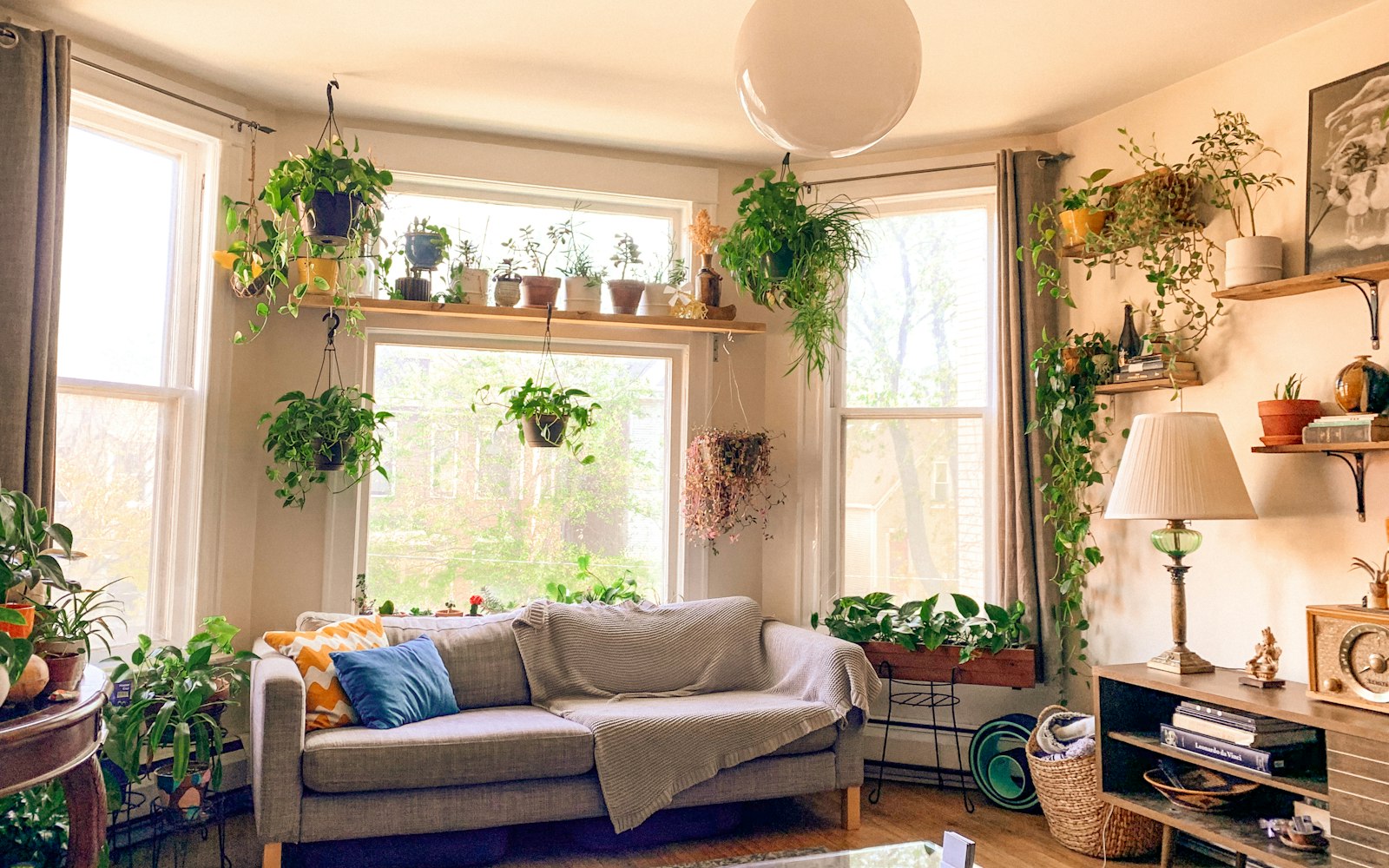
- Go high. Hanging planters, wall shelves and tall plant stands keep leaves out of reach, though cats are great climbers, so this works better for dogs.
- Use a plant-free room. A spare room or a closed-door office can be your "jungle".
- Offer something better to chew. Many cats love a small pot of cat grass (wheat or oat grass), which can draw them away from your other plants.
- Pick up fallen leaves and dead flowers quickly.
- Cover the soil with large pebbles or a mesh cover if your cat digs or uses pots as a litter box.
- Be careful with products. Keep fertilisers, pesticides and leaf shine sprays away from pets, and let treated plants dry before pets can reach them. If you're dealing with bugs, see our guide to mealybugs and spider mites for gentle options.
Let GreenScan help
Not sure what plant you have? Scan it with the GreenScan Plant AI app to identify it and see its care basics, then check its name against the lists above. You can also ask Ask Botanist about a specific plant. And if your pet has already eaten something, don't wait for an app: call your vet.
FAQ
Is a peace lily dangerous to cats like a true lily? No. Peace lilies (Spathiphyllum) cause mouth irritation, drooling and vomiting, but not the kidney failure that true lilies (Lilium and Hemerocallis) cause in cats. Both should be kept away from cats, but true lilies are the emergency.
Is a money plant (pothos) poisonous to dogs? Yes, it is mildly toxic. Chewing the leaves usually causes drooling, mouth pain and sometimes vomiting. Serious problems are rare, but call your vet if your dog has swelling or trouble swallowing.
Is the snake plant safe for cats? Not completely. It contains saponins that can cause vomiting and diarrhoea if eaten. Keep it out of reach, or choose a pet-safe plant like a cast iron plant for the same tough, low-light spot.
My cat keeps chewing my spider plant. Is that okay? Spider plants are non-toxic, so a small nibble is usually fine. Eating a lot can still cause mild vomiting. Offering cat grass often helps.
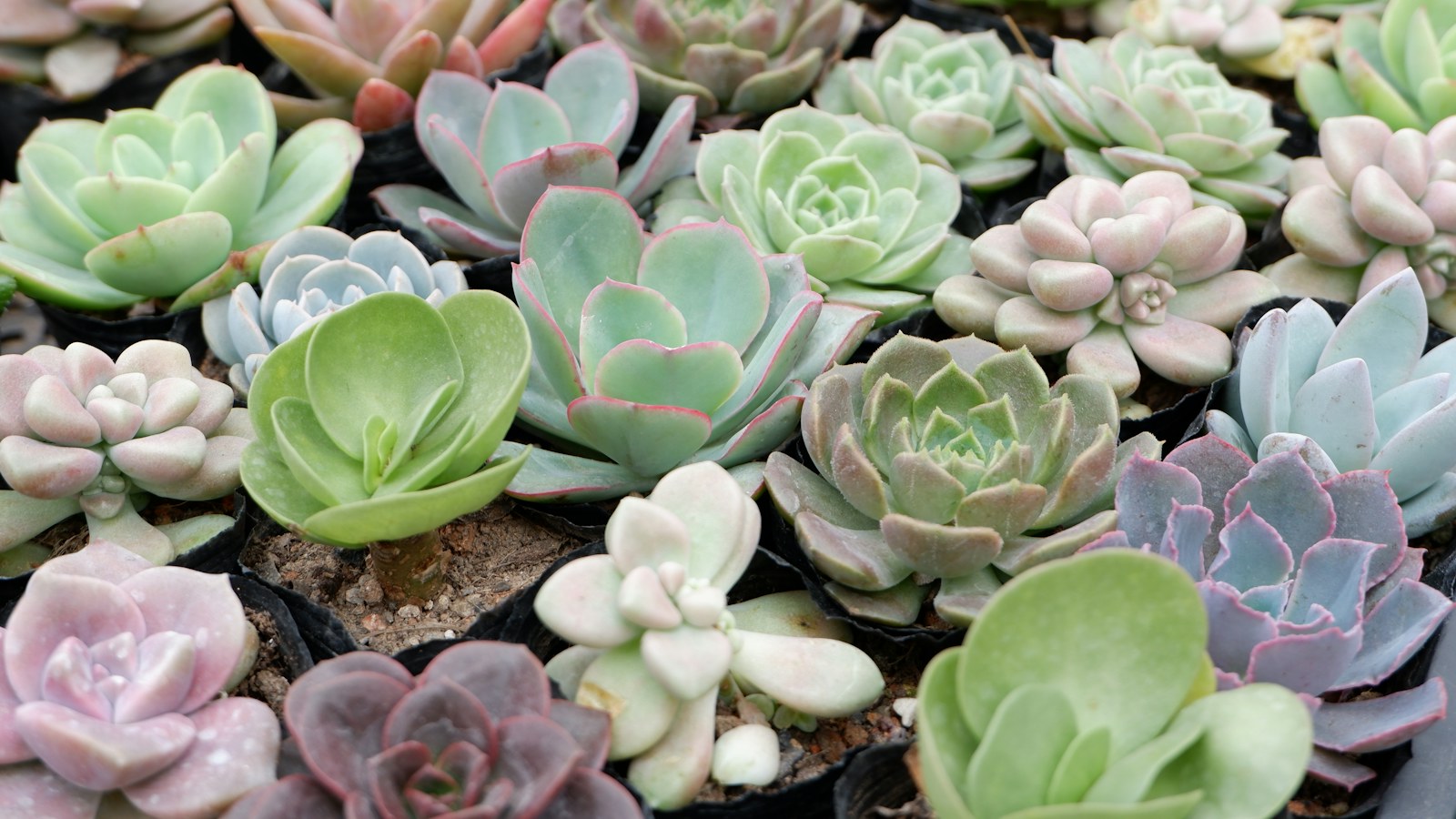
Are succulents safe for pets? Some are and some aren't. Haworthia and many echeverias are listed as non-toxic, but jade plant, aloe and some euphorbias are toxic. Check each plant by name.
Sources and further reading
- Toxic and Non-Toxic Plant List – Cats, ASPCA Animal Poison Control
- Toxic and Non-Toxic Plant List – Dogs, ASPCA Animal Poison Control
- Lovely Lilies and Curious Cats: A Dangerous Combination, U.S. Food and Drug Administration (FDA)
- Sago Palm, ASPCA Animal Poison Control
Cover photo: Alice Feigel / Unsplash. Plant safety lists are based on the ASPCA's toxic and non-toxic plant database. ZZ plant and fiddle-leaf fig are not on the ASPCA list; we include them as caution plants because they contain the same irritants as their listed relatives.