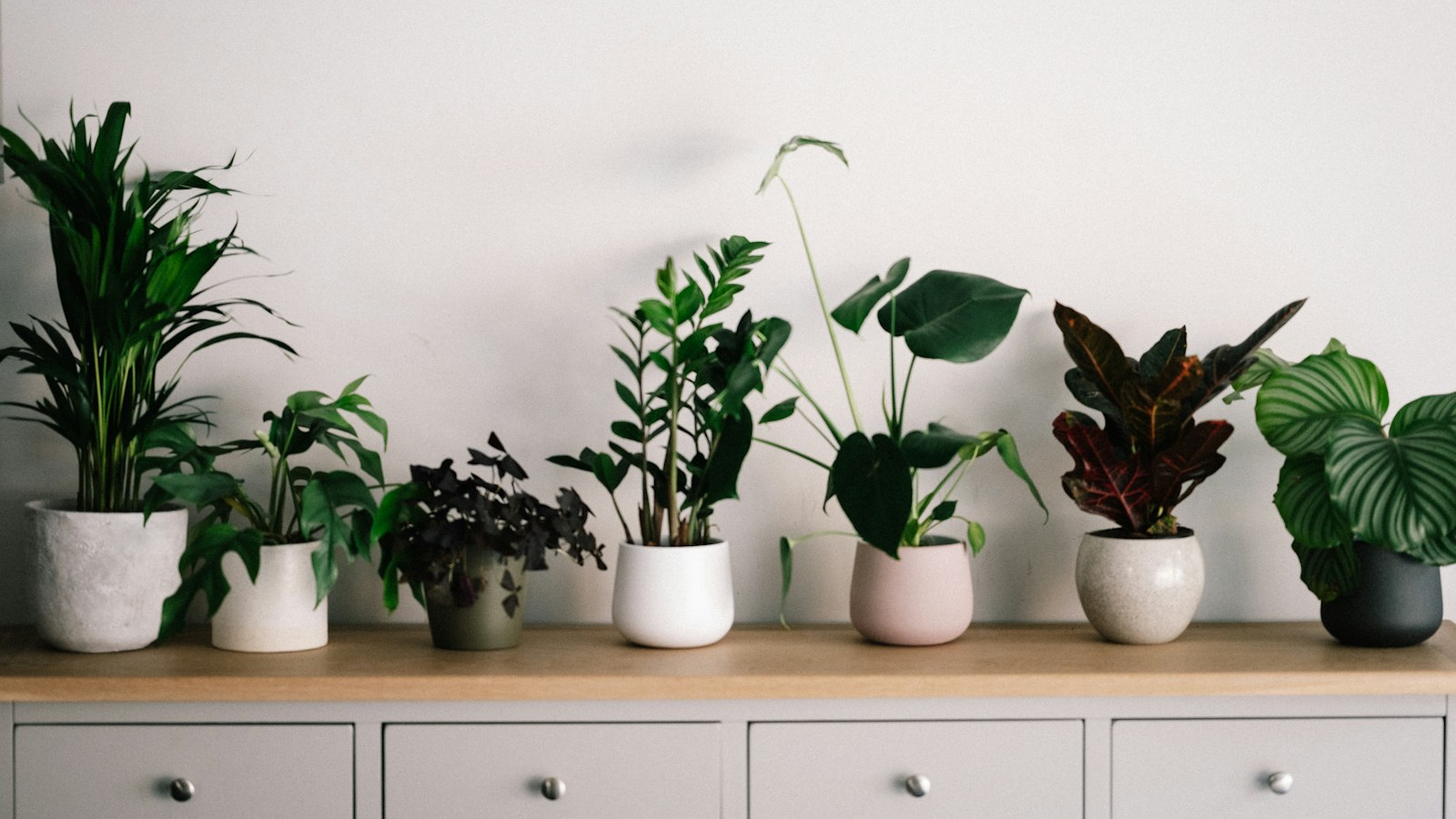
Quick answer: Repot when roots fill the pot: roots growing out of the drainage hole, water running straight through, or a plant that dries out within a day or two. Do it in spring or early summer, choose a pot only 2–5 cm wider than the old one, use fresh potting mix, and water well afterwards. Keep the plant out of strong sun for a week while it settles.
Repotting sounds risky, but it's one of the best things you can do for a plant that has outgrown its home. Fresh soil brings back nutrients and air, and a bit more space lets roots, and the leaves above them, keep growing. Done gently and at the right time, most plants hardly notice.
Signs your plant needs a new pot
Check for these. Two or more means it's time.
- Roots are growing out of the drainage hole or circling on top of the soil.
- Water runs straight through the pot and out the bottom, without soaking in.
- The soil dries out within a day or two, even though you water thoroughly.
- The plant is top-heavy and tips over easily.
- Growth has slowed in spring and summer, and new leaves are smaller.
- A white crust covers the soil, or the soil has shrunk away from the pot sides.
- It has been 2–3 years since the last repot, and the soil looks broken down and compacted.
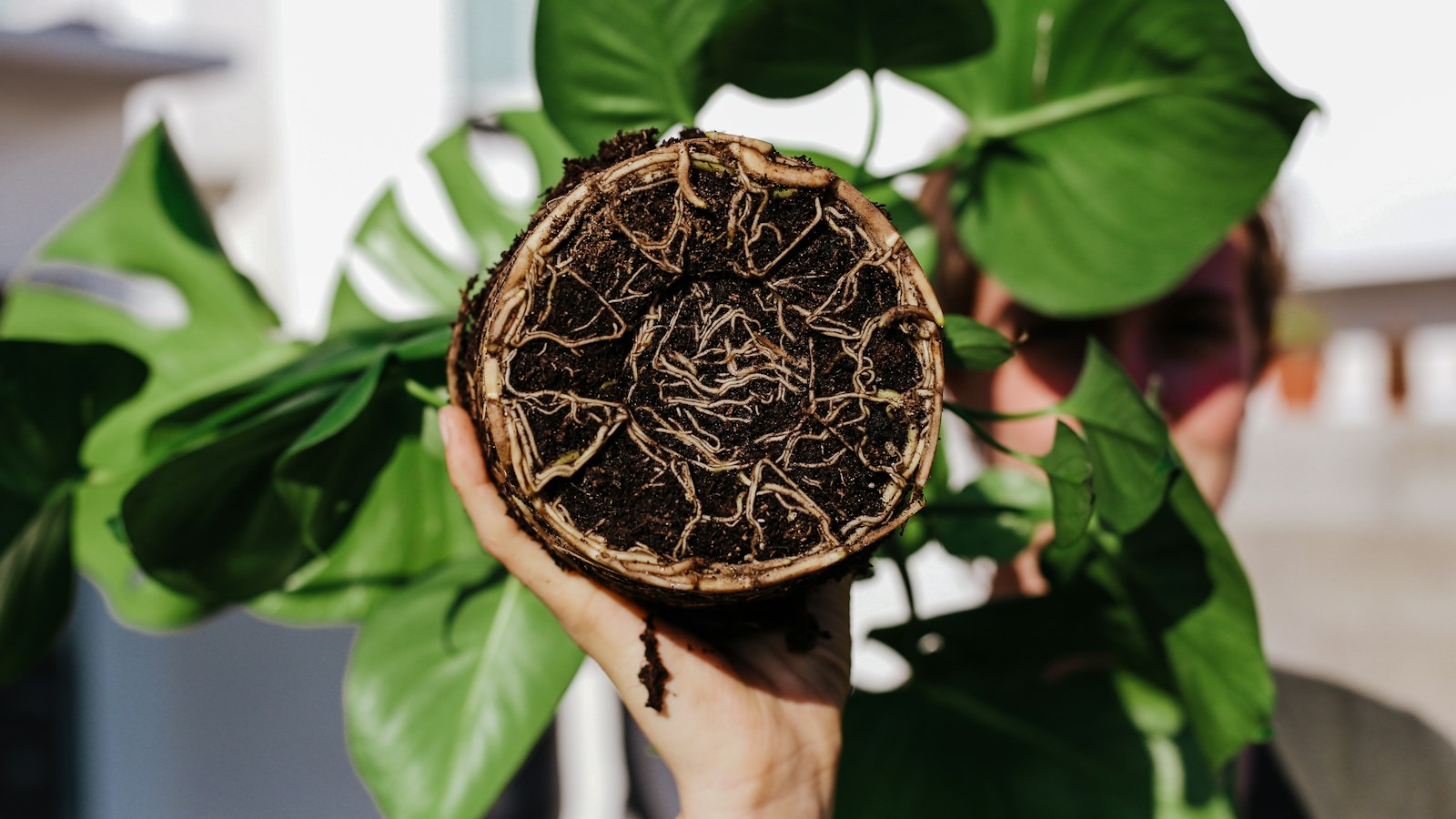
Not sure? Slide the plant out of its pot. If you see more roots than soil, with roots wrapping around the outside of the root ball, it is ready.
When to repot
The best time is spring to early summer, when plants are growing actively and recover quickly. Avoid repotting:
- During a heatwave or the coldest weeks of winter.
- While a plant is flowering (wait until it finishes).
- Right after you bring a new plant home. Let it adjust to your home for 2–3 weeks first, unless it is in a pot with no drainage or is clearly sick.
- When a plant is already stressed from pests or underwatering. Fix that first.
The exception is an emergency: a plant with root rot or a broken pot should be repotted straight away, whatever the season.
Repotting, potting up or top-dressing?
| Option | What it means | When to choose it |
|---|---|---|
| Potting up | Move to a pot one size bigger with fresh mix | The plant has outgrown its pot and you want it to grow larger |
| Repotting into the same pot | Trim the roots a little, refresh the soil, replant in the same pot | You want the plant to stay the same size |
| Top-dressing | Replace just the top 3–5 cm of soil | Very large or heavy plants that are hard to move |
Dividing while you repot. Plants that grow in clumps from several crowns, such as peace lily, snake plant, spider plant and many ferns, can be split into two or more plants instead of moving up a pot size. Ease the plant out, find the natural gaps between clumps, and gently pull or cut them apart with a clean knife. Make sure each piece has its own roots and leaves. Pot each one into a pot that fits its root ball, using the right mix from our potting mix guide, water well and keep them out of strong sun for a week or two. It is a free way to get new plants and keeps the parent a manageable size.
What you need
- A new pot 2–5 cm wider than the old one, with a drainage hole
- Fresh potting mix suited to the plant (see below)
- Clean scissors or pruning shears
- A blunt knife or chopstick to loosen roots
- Newspaper or a tray to keep things tidy
- Water
Choose the right mix: most tropical houseplants like a general indoor potting mix, lightened with perlite or bark. Succulents, cacti and snake plants need a gritty cactus mix. Orchids need a chunky bark mix. Don't use garden soil in pots; it packs down and stays wet.
Which pot material? Each has a trade-off.
- Terracotta (clay) breathes and dries out faster. It suits succulents, cacti, snake plants and anyone who tends to overwater, but in hot, dry summers it needs checking more often.
- Plastic is light, cheap and holds moisture longer, so it suits thirsty plants like ferns and peace lilies.
- Glazed ceramic behaves like plastic but is heavier, which helps tall plants stay upright.
Whatever you choose, a drainage hole is not optional. If you love a pot without one, use it as an outer cover and keep the plant in a plastic nursery pot inside. If the roots are rotting, see our guide to root rot.
Step-by-step: how to repot a plant

1. Water the day before
Moist soil holds together and slides out more easily, and a well-watered plant handles the move better. Don't repot a bone-dry or soaking-wet plant.
2. Remove the plant
Turn the pot on its side, hold the plant at the base of the stems, and gently ease it out. Squeeze or tap plastic pots to loosen them. If it is stuck, run a blunt knife around the inside edge. Never pull hard on the stems.
3. Loosen and check the roots
Gently tease apart roots that circle around the bottom so they can grow outward into the new soil. Shake off some of the old, loose soil.
- Healthy roots are firm and white, cream or light tan.
- Rotten roots are dark, mushy and may smell bad. Cut these off with clean scissors.
If the root ball is a solid mat of roots, make 3–4 shallow vertical cuts down the sides to encourage new growth.
4. Add fresh mix to the new pot
Put a layer of fresh mix in the bottom so that, once the plant is in, the top of the root ball sits about 2–3 cm below the pot rim. This leaves room for watering. You don't need a layer of gravel or stones at the bottom. Research on this is mixed, and the layer takes up space the roots could use. A drainage hole and a good, airy mix are what really matter.
5. Position the plant and fill in
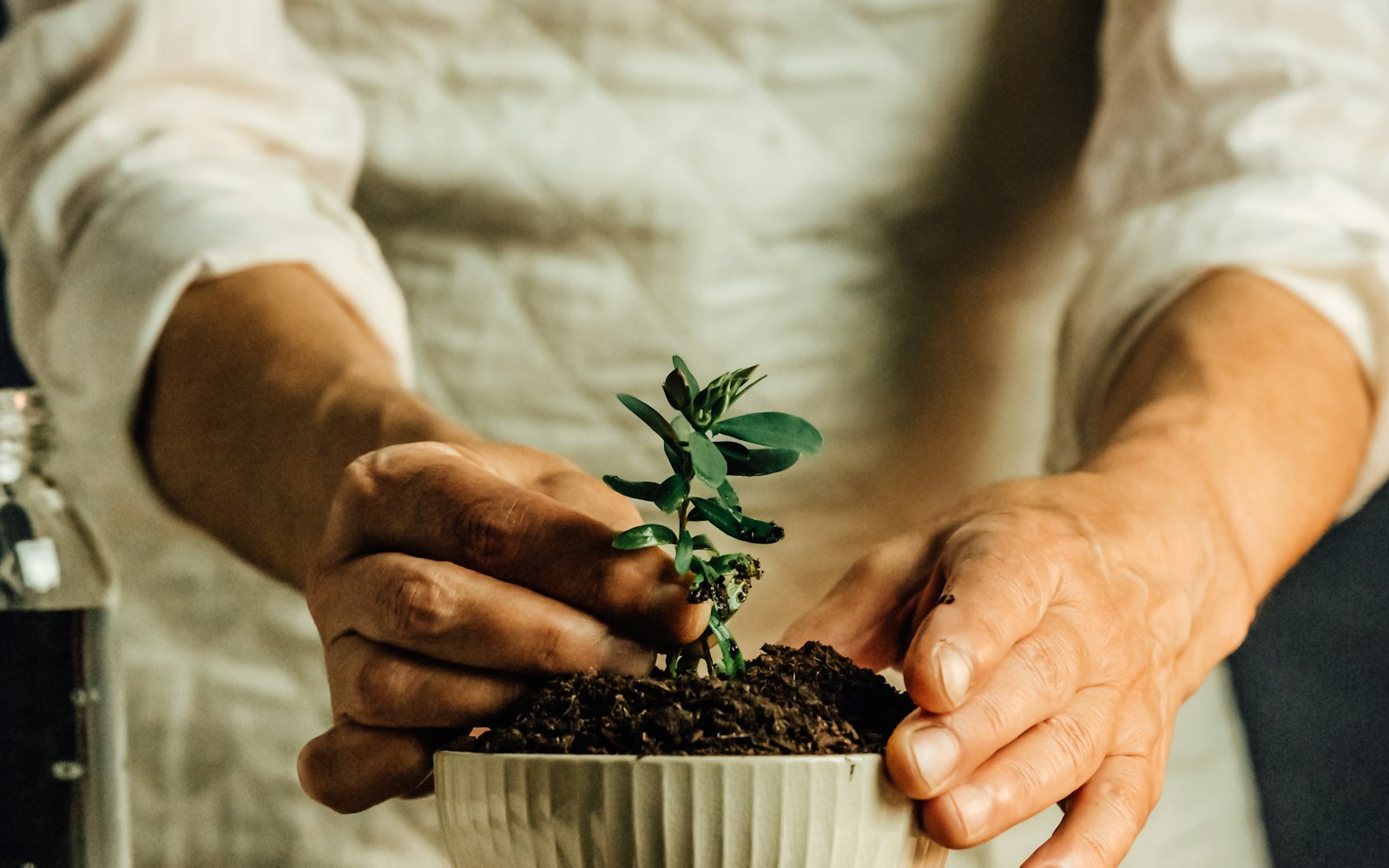
Set the plant in the centre at the same depth it was growing before. Burying the stem deeper can cause rot. Fill around the sides with fresh mix, pressing gently with your fingers to remove large air pockets. Don't pack it down hard.
6. Water well
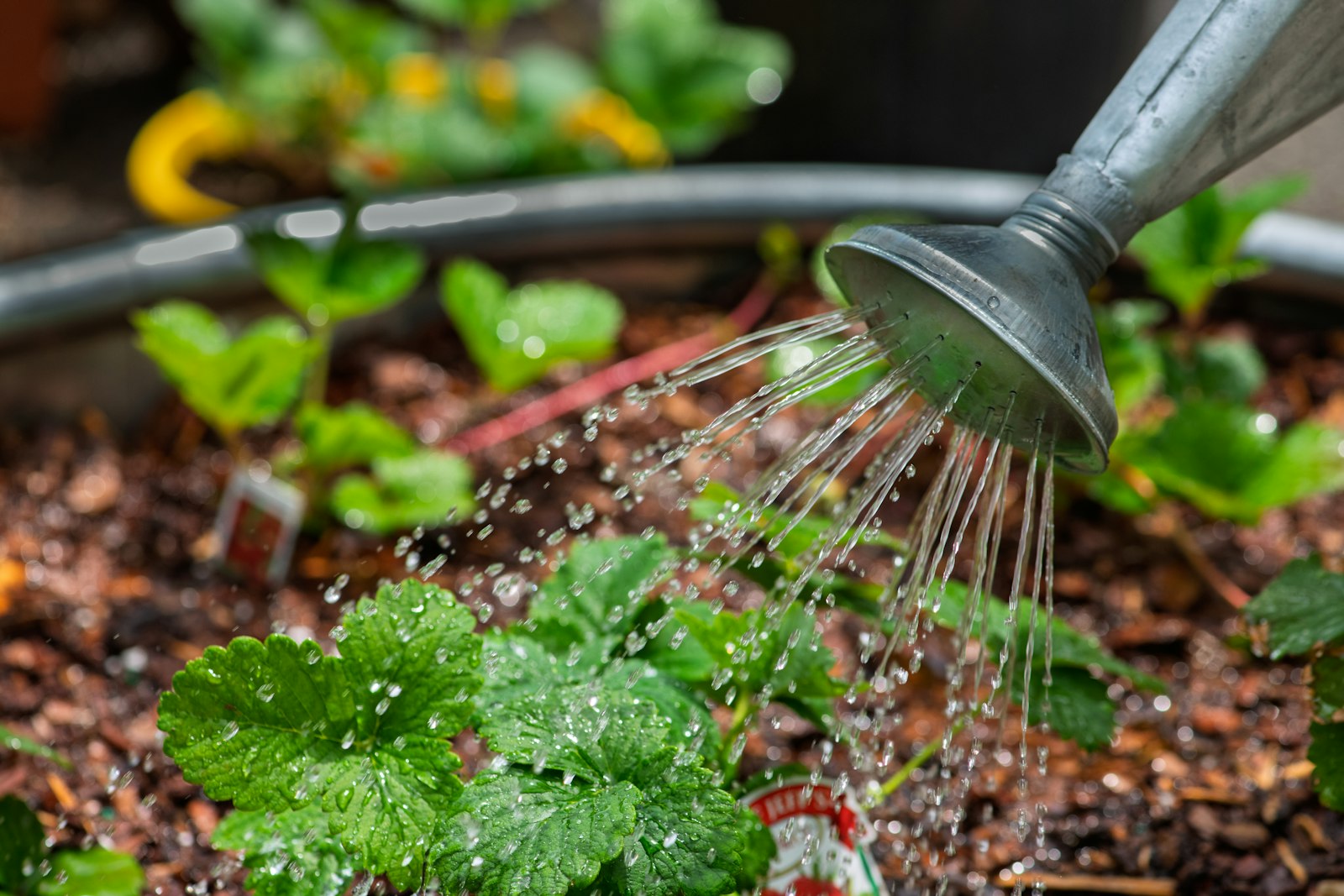
Water slowly until it runs out of the drainage hole. The soil will settle; top up with a little more mix if needed. Empty the saucer.

Aftercare: the first two weeks
- Keep it in bright, indirect light, out of strong direct sun, for about a week.
- Don't fertilise for 4–6 weeks. Fresh mix contains nutrients, and new roots burn easily.
- Water when the top few centimetres dry, as usual. The new, larger soil volume stays wet longer, so check before watering rather than sticking to your old routine. See how often to water your plants.
- A little drooping is normal for a few days (transplant shock). It should pass within one to two weeks.
Common repotting mistakes
| Mistake | Why it's a problem |
|---|---|
| Choosing a pot that is much too big | Extra soil stays wet for too long and the roots can rot |
| A pot with no drainage hole | Water collects at the bottom and rots the roots |
| Using garden soil | It compacts in pots and drains poorly |
| Burying the stem deeper than before | The buried stem can rot |
| Pressing the soil down hard | Roots need air; packed soil suffocates them |
| Feeding straight after repotting | Damaged roots burn easily |
| Repotting in a heatwave or deep winter | The plant recovers slowly and is easily stressed |
Let GreenScan help
Not sure what kind of plant you have, and which mix it needs? Scan it with the GreenScan Plant AI app to get its name and basic care tips. Add it to My Garden and write a note with the repotting date, so you know when it's due next time. If it looks unhappy afterwards, take a photo for a health check or ask Ask Botanist.
FAQ
How often should I repot my houseplants? Most houseplants need it every 1–2 years. Slow growers like snake plants, ZZ plants and cacti can go 2–4 years. Fast growers like pothos may need it every year.
Can I repot in winter? Only if you must, for example for root rot or a broken pot. Otherwise, wait for spring, when the plant can recover quickly.
Why is my plant drooping after repotting? That's transplant shock. Keep it out of strong sun, water normally and don't feed it. Most plants recover within one to two weeks.
Should I put stones at the bottom of the pot? You don't need them. Studies disagree on whether stones help or harm drainage, but they take up room the roots could use. A pot with a drainage hole and a well-draining mix do the job on their own.
Can I reuse old potting soil? It's better not to, because old soil is often compacted, low in nutrients and may carry pests or disease. You can mix it into garden beds or compost instead.
Sources and further reading
- How to repot a plant, Royal Horticultural Society (RHS)
- Effect of drainage layers on water retention of potting media in containers (Rowe, 2025), PLOS ONE
- Root Rots on Houseplants, University of Wisconsin–Madison Plant Disease Diagnostics Clinic
Cover photo: A. C. / Unsplash.