Quick answer: Don't water on a fixed schedule. Water when the top 3–5 cm of soil is dry (push a finger in to check), then water slowly and deeply until water runs out of the drainage hole, and empty the saucer. For most houseplants that means roughly once a week in warm months and every 2–3 weeks in cool months, but your own plant, pot and room decide the real number.
More houseplants die from too much water than from too little. The fix is not a better calendar. It is learning to read the soil and the plant, which takes about ten seconds once you know what to look for.
Why "once a week" doesn't work
A watering schedule assumes every week is the same. It isn't. How fast a pot dries out depends on:
- Light: a plant in a bright window uses water much faster than one in a dim corner.
- Temperature and air: hot, dry or windy weather pulls water out of the soil quickly; cool, humid weeks slow everything down.
- Pot material: terracotta (clay) breathes and dries fast. Plastic, glazed ceramic and metal hold water much longer.
- Pot size: small pots dry out in days; large, deep pots can stay wet at the bottom for weeks.
- The plant itself: a leafy fern drinks far more than a succulent or snake plant.
- Season: most plants grow actively in spring and summer and slow down in winter, so they need less water when it is cool and the days are short.
So the same plant might need water every 4 days in a hot summer and only every 3 weeks in winter.
The finger test: the only tool you really need
Push your index finger into the soil, about 3–5 cm deep (up to the second knuckle).
- Dry at that depth: time to water.
- Slightly damp: wait a day or two and check again.
- Wet, or cold and sticky: don't water. Check again in a few days.
Two more quick checks help:
- Lift the pot. Right after a good watering, pick it up and feel the weight. A pot that suddenly feels light is usually dry. After a few tries you will know by weight alone.
- Use a wooden chopstick for big pots. Push it to the bottom, leave it for a minute and pull it out. Dark, damp wood means the deep soil is still wet, even if the top is dry.
A cheap moisture meter can also help, but treat it as a guide. Many cheap meters react to salts and fertiliser as well as water, so readings can be off.
How to water the right way

When the soil is dry, water deeply, not a little at a time:
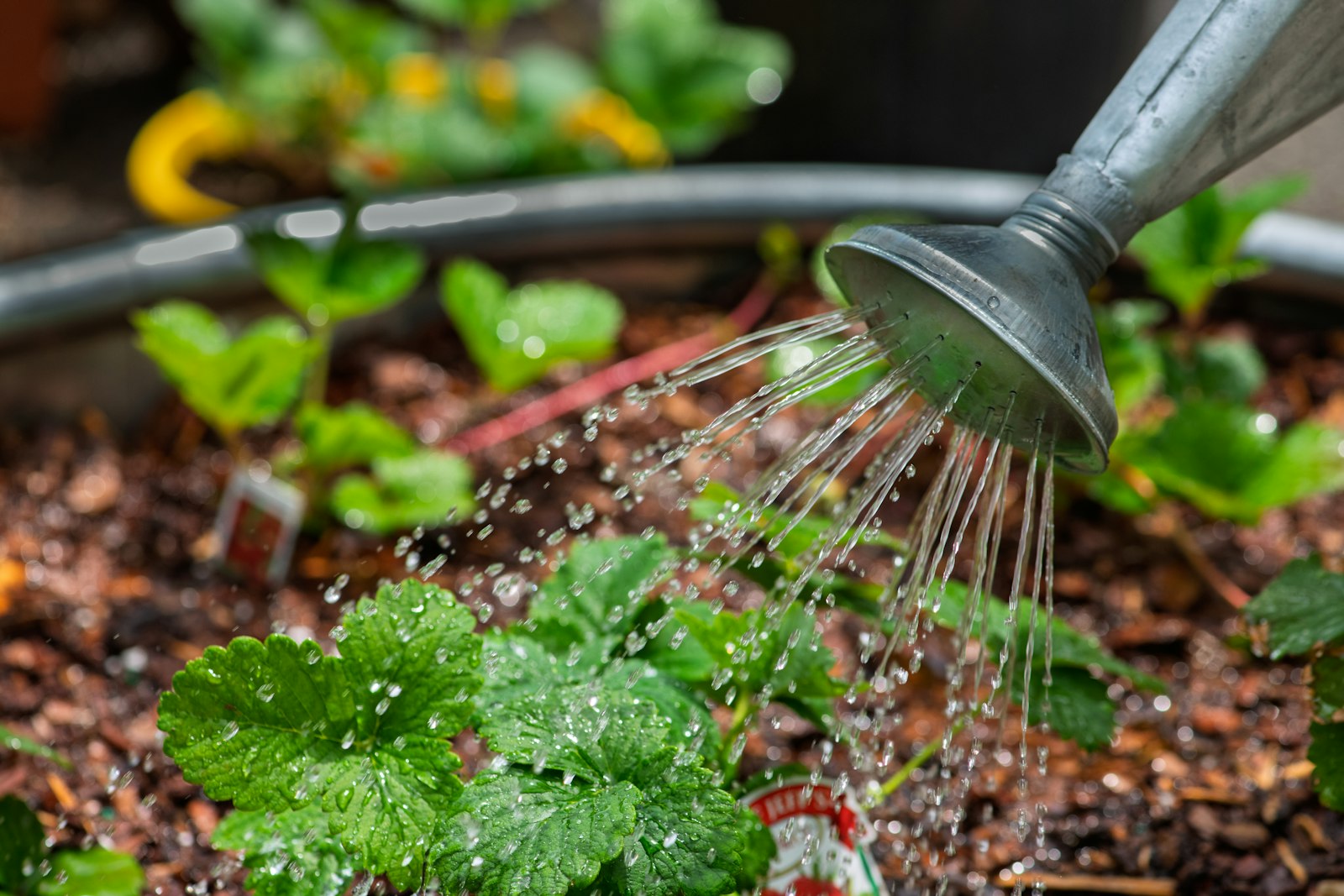
- Pour slowly over the whole surface of the soil, not just one spot, so all the roots get water.
- Keep going until water comes out of the drainage hole. This means the whole root ball is wet.
- Let it drain for 10–15 minutes, then empty the saucer or outer pot. Roots sitting in a puddle are the main cause of root rot.
- Wait for the top few centimetres to dry before you water again.
Small sips every day keep only the top layer wet. Roots stay shallow, the bottom of the pot stays dry, and salts build up. One deep drink, then a dry-down, is healthier.
A few more tips:
- Water in the morning when you can. Leaves dry during the day, and in hot weather the plant has water when it needs it most.
- Use room-temperature water. Very cold water can shock tropical plants.
- Water the soil, not the leaves, for plants like African violets and succulents that dislike wet leaves.
- Every month or two, flush the pot with plenty of water to wash out salts from tap water and fertiliser.
Bottom watering
Some plants (African violets, plants whose leaves cover the soil, or pots that have dried out completely) do well with bottom watering: stand the pot in a bowl of water for 20–30 minutes so the soil soaks water up through the drainage hole, then let it drain. It is also the best way to rescue soil that has dried out so much that water runs straight past it.
How often, by plant type
These are starting points. Always confirm with the finger test.
| Plant type | Examples | When to water |
|---|---|---|
| Thirsty, leafy plants | Ferns, peace lily, calathea | When the top 2–3 cm is dry; don't let them dry out fully |
| Most tropical houseplants | Pothos (money plant), monstera, philodendron, rubber plant | When the top 3–5 cm is dry |
| Thick-leaved, drought-tolerant | Snake plant, ZZ plant, jade, aloe | When the soil is dry almost all the way down |
| Succulents and cacti | Echeveria, haworthia, most cacti | Soak, then wait until fully dry; much less in winter |
| Outdoor pots in summer | Herbs, flowers, vegetables in containers | Check daily in hot weather; often daily or every other day |

Succulents and snake plants are the ones people overwater most. See 7 succulent care mistakes and our snake plant care guide.
Signs you're watering too much or too little
| Overwatering | Underwatering |
|---|---|
| Lower leaves turn yellow and soft | Leaves turn yellow, then brown and crispy |
| Soil stays wet for many days | Soil pulls away from the pot edges |
| Wilting even though the soil is wet | Wilting that recovers within hours of watering |
| Small flies (fungus gnats) around the pot | Pot feels very light |
| Musty smell, black or mushy stems at the base | Leaf edges and tips dry out first |
Both can cause wilting and yellow leaves, which is why you should check the soil before you reach for the watering can. For more on reading yellow leaves, see our guide to why plant leaves turn yellow.
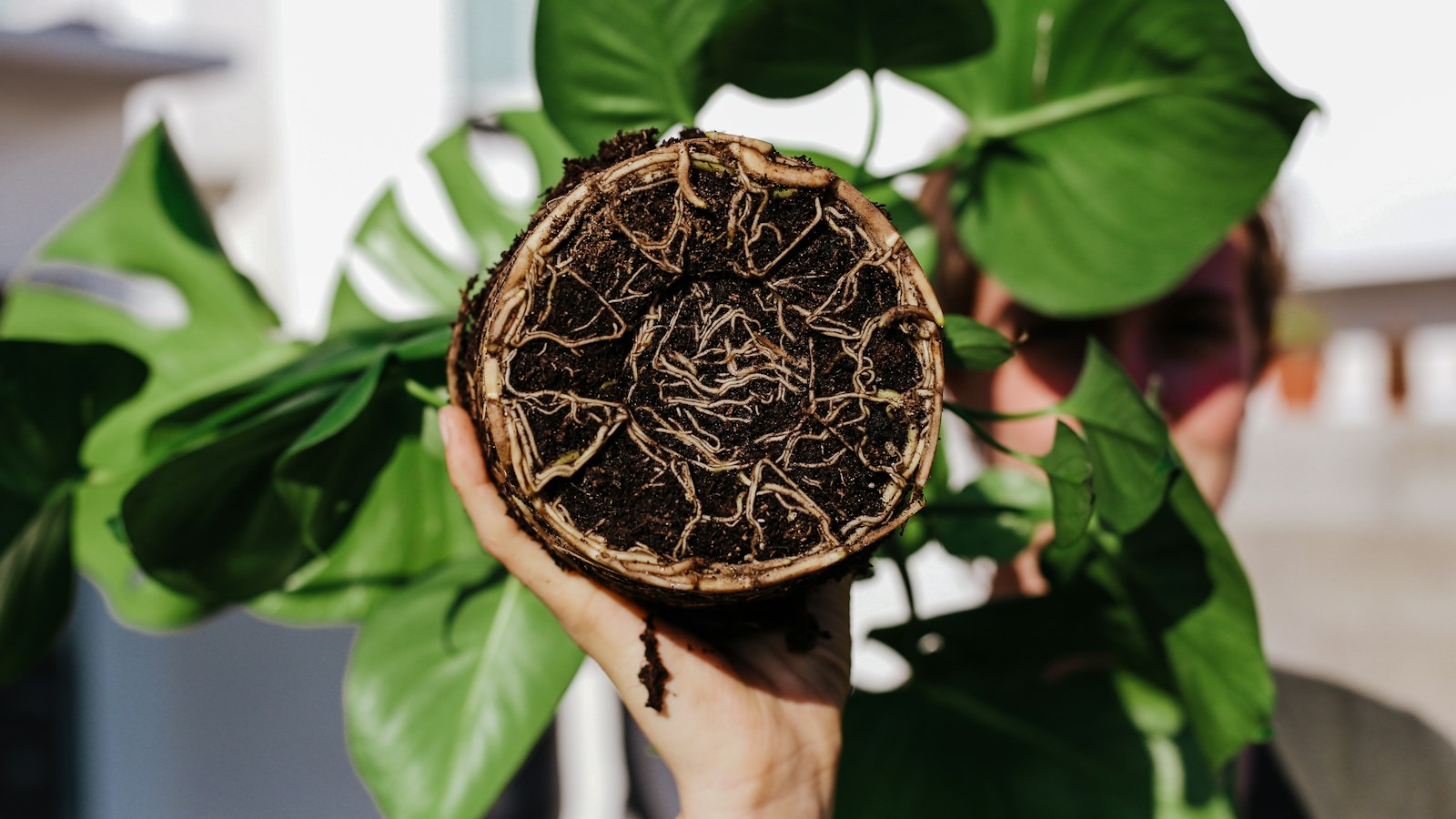
Already overwatered? Stop watering, empty any saucer and move the plant to a bright spot out of harsh sun so the soil dries faster. If the pot is still wet after a week, or the plant keeps wilting, slide it out and look at the roots. Firm, pale roots are fine. Brown, mushy, smelly roots need trimming and fresh mix.
Our guides to root rot and choosing a potting mix walk you through it step by step.
Pots and soil matter as much as the water
- Always use a pot with a drainage hole. If you love a decorative pot without one, keep the plant in a plain plastic pot inside it and lift it out to water.
- Use the right mix. Most houseplants like a light, airy potting mix. Cacti and succulents need a gritty, fast-draining mix. Heavy garden soil stays wet too long in a pot.
- Don't over-pot. A pot much larger than the root ball holds extra wet soil that the roots can't reach, which invites rot. Go up only 2–5 cm in width when repotting.
Our potting mix guide has simple recipes that drain well, and how to repot a plant shows when a plant has outgrown its pot.
Watering in hot weather
In very hot, dry summers, outdoor pots and plants near sunny windows can dry out in a single day. Check the soil every morning, water early, and group pots together so they shade each other. A layer of mulch on the soil of outdoor pots slows evaporation. Small terracotta pots in full sun suffer first, so move them to spots with only morning sun during heatwaves.
Going away for a few days in summer? Water everything deeply the morning you leave, then move pots out of direct sun and group them together in the coolest room. For a week or more, stand pots on a wet towel in a tray, or push a cotton wick from a jar of water into the soil so it draws water up slowly. Test any setup for a few days before you travel.
Succulents and snake plants are best simply left dry. For more on getting pots through a heatwave, see how to protect plants in extreme heat.
Watering in winter
When days are short and cool, most houseplants slow down and use much less water. Keep using the finger test, but expect to water less often, sometimes half as much. Winter overwatering is one of the most common ways houseplants are lost. The exception is a plant next to a heater, where warm, dry air can dry the soil faster than you expect.
Let GreenScan remind you
Once you know roughly how often a plant needs water in your home, the GreenScan Plant AI app can help you remember. Add the plant to My Garden, set a watering reminder, and adjust it as the seasons change. Not sure what the plant is? Scan it first to get its name and basic care tips, then ask Ask Botanist anything specific. Treat any reminder as a nudge to check the soil, not an order to water.
FAQ
Is it better to water from the top or the bottom? Both work. Top watering until it drains is quick and flushes out salts. Bottom watering is gentle, great for very dry soil and for plants that dislike wet leaves. Many people alternate.
Should I water my plants every day? Almost never indoors. Daily watering keeps soil soggy and leads to root rot. The exception is small outdoor pots in very hot weather, which may really need water once a day.
How much water should I give a plant? Enough that water runs out of the drainage hole. As a rough guide, that is about a quarter to a third of the pot's volume. Then empty the saucer.
Can I use tap water? Usually yes. If your tap water is very hard (it leaves a white crust on the soil or pot), flush the soil every month or two, and for sensitive plants use rainwater or filtered water when you can.
My plant is wilting but the soil is wet. Should I water it? No. Wilting with wet soil often means the roots are struggling or rotting. Let the soil dry, check the drainage, and if it doesn't improve, check the roots.
Sources and further reading
- Watering houseplants, University of Illinois Extension
- How often should houseplants be watered during the winter months?, Iowa State University Extension (Yard and Garden)
- Why does my houseplant have brown leaf tips and edges?, Iowa State University Extension (Yard and Garden)
Cover photo: Benjamin White / Unsplash.