Quick answer: Succulents usually die from too much water and too little light, not from neglect. Water deeply, then only when the soil is completely dry, give them the brightest spot you have (4–6 hours of sun), plant them in gritty, fast-draining mix in a pot with a drainage hole, and move them into strong sun gradually to avoid sunburn. In winter, when growth slows, water much less. Their leaves tell you what's wrong: mushy and see-through means too much water, wrinkled means thirsty, stretched and pale means not enough light.
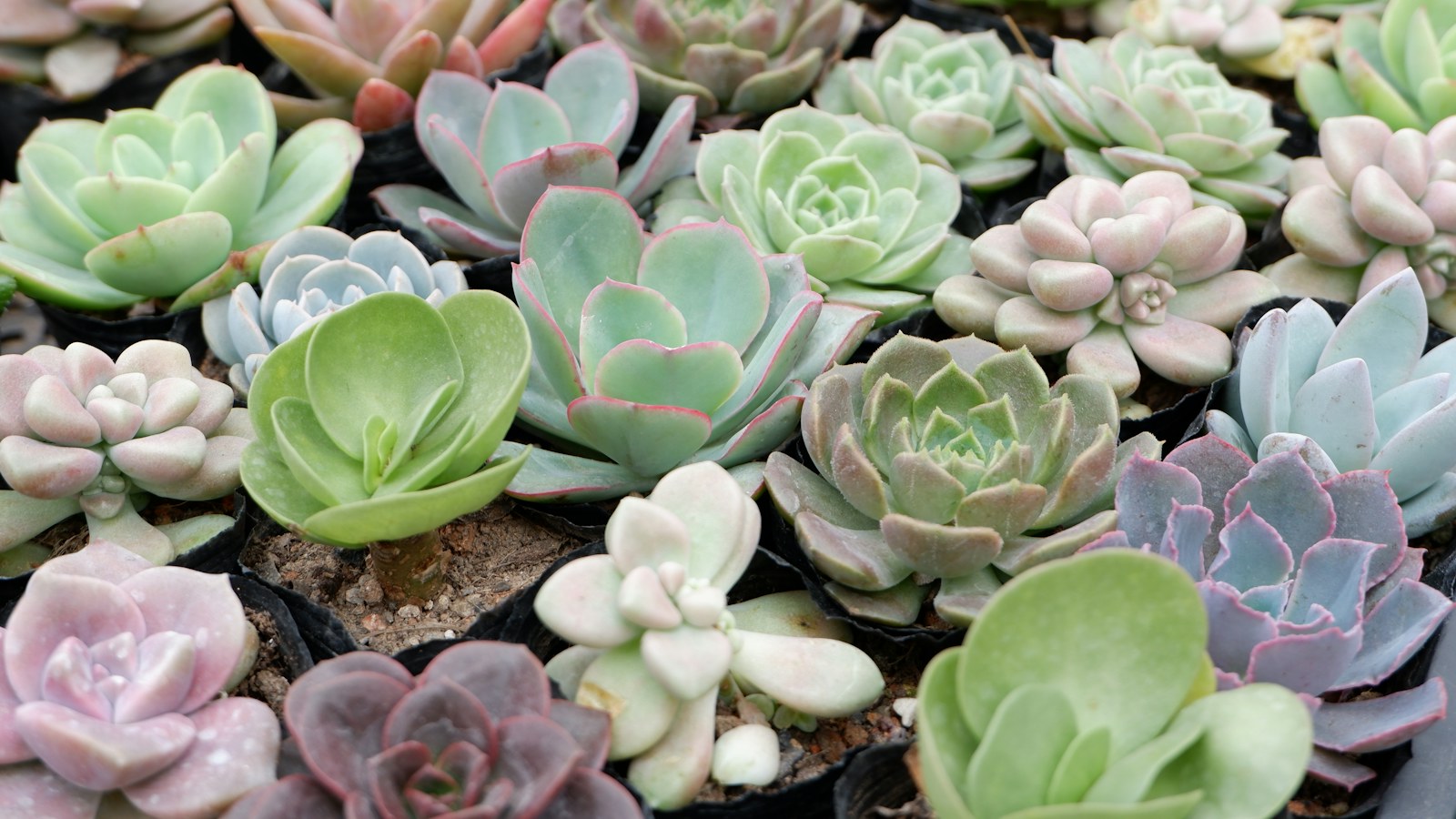
Succulents have a reputation as the plants you can't kill, so it's frustrating when they turn to mush or stretch into odd, leggy shapes. The good news is that almost every succulent death comes from the same handful of mistakes. Fix these seven and your jade, echeveria, aloe, haworthia and friends will stay plump, colourful and compact for years.
Mistake 1: Watering a little, often
Succulents store water in their thick leaves, stems or roots, so they're built for drought followed by a good soak. Small sips every few days keep the soil constantly damp, which is exactly what rots their roots.
Do this instead: use the "soak and dry" method. Water slowly until it runs out of the drainage hole, then wait until the soil is dry all the way through before watering again. Push a wooden skewer to the bottom of the pot: if it comes out clean and dry, it's time. In warm, bright weather that may be every 1–2 weeks; in winter it can be once a month or less. If you've overdone it already, our guide to root rot shows how to rescue the plant.
Mistake 2: Not enough light

Most succulents come from open, sunny places. Indoors, even a "bright" room is far darker than they're used to. In low light they stretch towards the window (this is called etiolation), go pale, lose their colourful tips and become weak.
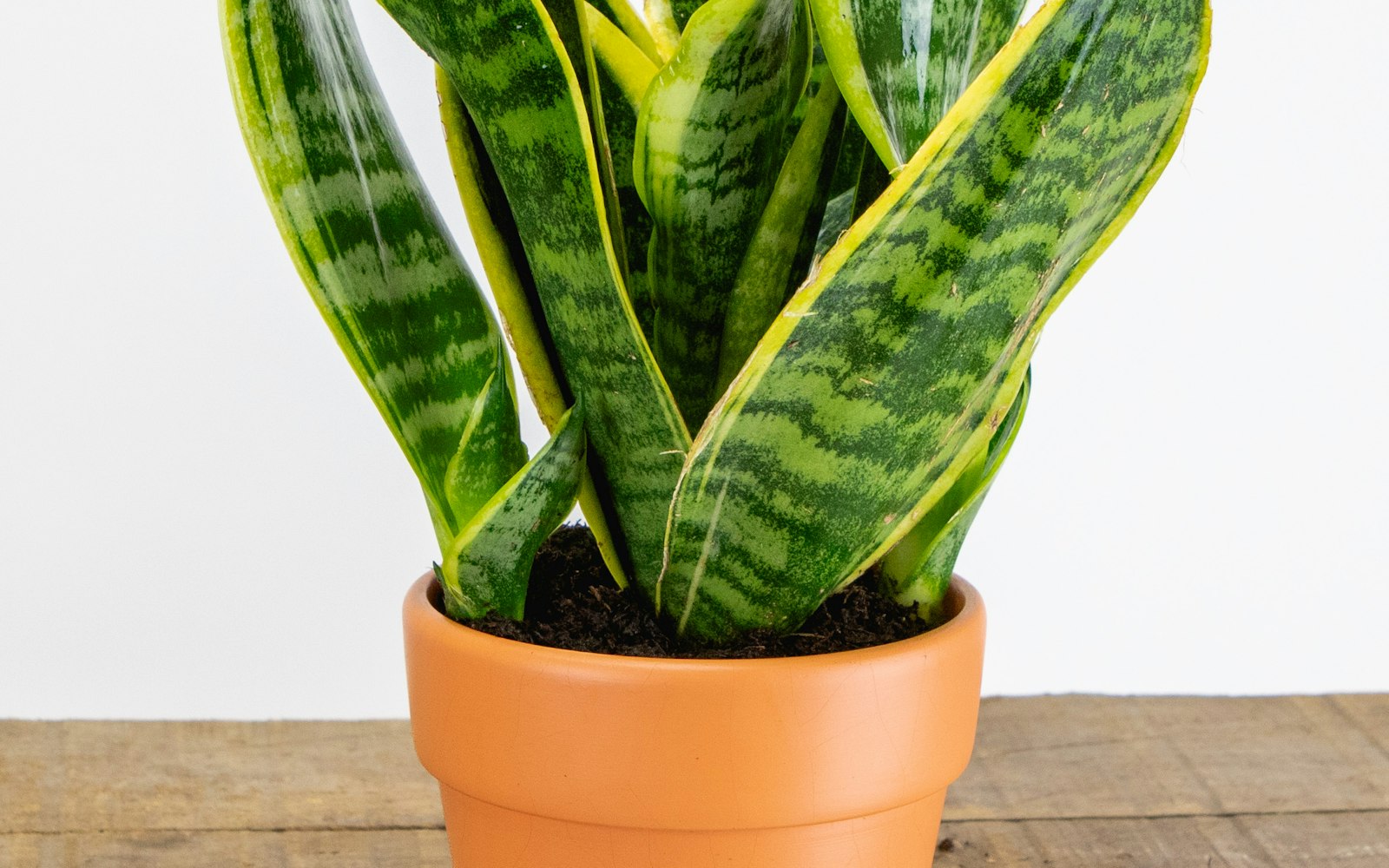
Do this instead: give them your sunniest window, with at least 4–6 hours of direct sun if you can. Turn the pot every week so it grows evenly. If you don't have a sunny window, choose low-light-tolerant succulents like haworthia, gasteria, snake plant or ZZ plant (see our snake plant guide), or add a grow light. Stretched growth won't shrink back, but you can cut off the top and replant it (see the propagation section below).
Mistake 3: Using ordinary potting soil
Regular potting mix is made to hold water, which is the opposite of what succulents want. It stays wet for days and can pack down around the roots.
Do this instead: use a cactus and succulent mix, or make your own: 1 part potting mix, 1 part perlite or pumice, 1 part coarse grit. It should feel gritty and drain almost instantly. Our potting mix guide has more recipes.
Just bought a new succulent? Many are sold in dense, peaty nursery mix that stays wet for a long time. Within a few weeks of buying, ease the plant out, gently shake off as much old mix as you can and repot it into gritty succulent mix. Then wait about a week before the first watering, so any roots broken during repotting can heal. Our guide on how to repot a plant shows the basic steps.
Mistake 4: The wrong pot
Cute pots without a drainage hole are the number one way to drown a succulent: water collects at the bottom with nowhere to go. A pot that is much bigger than the plant causes the same problem, because the extra soil stays wet long after the roots have finished drinking.
Do this instead: always choose a pot with a drainage hole, only 2–3 cm wider than the root ball. Terracotta is ideal because it's porous and lets the soil dry faster. If you love a pot without a hole, use it as a decorative cover and keep the succulent in a plastic pot inside.
Mistake 5: Moving it into full sun too fast
It sounds strange after Mistake 2, but succulents can get sunburnt. A plant that has lived indoors or in a shady nursery will burn if it's suddenly put in hot, direct sun, especially in summers of 35–40°C or more.
Do this instead: acclimatise it over 1–2 weeks: start with an hour or two of morning sun, then add a little more each day. In very hot climates, afternoon shade in midsummer helps even established plants; see our guide to protecting plants in extreme heat. Burnt patches won't heal, but new leaves will grow normally.
Mistake 6: Same care all year
Many popular succulents slow down or rest when days are short and cool. If you keep watering them like it's summer, the soil stays wet and roots rot.
Do this instead: water much less in winter, often just enough to stop the leaves from shrivelling. Don't fertilise in the resting season. In spring and summer, a cactus fertiliser at quarter strength a few times is plenty; see our fertiliser guide. (A few succulents, like aeonium, actually grow in the cool season and rest in summer heat, so check your plant's habits.)
Monsoon and extreme heat. In South Asia, the hardest months for outdoor succulents are often July and August, not winter. Days of rain keep pots wet and the air humid, which is when rot spreads fastest. During long rainy spells, move pots under a roof edge or indoors, raise them on bricks so they drain freely, and skip watering until the mix is dry again. In 40°C+ heat many succulents slow down too, so give them afternoon shade rather than extra water.
Mistake 7: Misting and watering over the leaves
Misting does nothing for succulents except leave water sitting in the rosette, where it can cause rot and fungal spots. Water trapped between tightly packed leaves is especially risky in cool, still air.
Do this instead: skip the spray bottle. Water the soil directly, around the base of the plant. If water lands in a rosette, tip the pot or dab it out with a paper towel. Give plants a little space and air flow, too: crowded arrangements stay damp.
What the leaves are telling you
| What you see | What it usually means | What to do |
|---|---|---|
| Soft, mushy, see-through leaves; black stem | Too much water, root or stem rot | Stop watering; check the roots; cut away rot and repot in dry, gritty mix |
| Wrinkled, deflated, soft but not mushy | Thirsty | Give a deep soak; leaves plump up within a few days |
| Stretched, pale stems with gaps between leaves | Not enough light | Move to more sun gradually; behead and replant leggy tops |
| Brown or white crispy patches on the sunny side | Sunburn | Give some shade and acclimatise slowly; damage stays, new growth is fine |
| Lowest leaves drying up one by one | Usually normal ageing | Nothing to fix; gently remove them once crispy |
| Leaves falling off at a touch | Usually overwatering (or sometimes a sudden change) | Let the soil dry fully; check the roots |
| White cottony fluff between leaves | Mealybugs | Dab with rubbing alcohol on a cotton bud; see mealybugs and spider mites |
Bonus: grow new plants for free

Many succulents, especially echeveria, graptopetalum, sedum and jade, are easy to propagate:
- Gently twist off a healthy, plump leaf, making sure the whole leaf comes away cleanly from the stem. Or cut a stem or the top of a leggy rosette.
- Let it dry for 2–5 days in a shaded spot until the cut end forms a callus.
- Lay leaves on top of dry, gritty mix, or push cuttings in lightly. Keep them in bright, indirect light.
- Wait for roots, then start watering lightly. Tiny rosettes appear in a few weeks; the old leaf shrivels as the baby grows.
Not every succulent propagates from a single leaf (aloe and haworthia are easier from the side offsets, or "pups", that grow around the base), but cuttings and offsets work for almost all of them.
Let GreenScan help
Not sure which succulent you have, or whether those soft leaves mean rot? Scan it with the GreenScan Plant AI app to identify it and check its health, or ask Ask Botanist what to do next. Set a long-interval watering reminder, and check the soil before you water each time. If you have cats or dogs, check our pet-safe houseplants guide too: jade and aloe are toxic to pets, while haworthia and echeveria are listed as safe.
FAQ
How often should I water succulents? Only when the soil is completely dry. For most succulents indoors that's about every 1–2 weeks in warm, bright months and every 3–6 weeks in winter. Pot size, sun and temperature all change this, so check the soil rather than the calendar.
Can succulents live indoors? Yes, if they get enough light. Put them in your sunniest window, choose low-light-tolerant types like haworthia for dimmer rooms, or use a grow light.
Why is my succulent growing tall and thin? It isn't getting enough light. Move it gradually to a sunnier spot. You can cut off the stretched top, let it dry for a few days and replant it to get a compact plant again.
Should I mist my succulents? No. Misting doesn't raise humidity in a useful way and leaves water in the rosette, which can cause rot. Water the soil instead.
Why are my succulent's leaves turning red or purple? Usually it's harmless "stress colour" caused by bright sun, cool nights or dry spells. Many echeverias and sedums are prized for it. If the leaves are also crispy or white, that's sunburn.
Sources and further reading
- Did you forget to water your plants? Try low-maintenance succulents, University of Illinois Extension
- Jade Plant, ASPCA Animal Poison Control
- Zebra Haworthia, ASPCA Animal Poison Control
Cover photo: Lingchor / Unsplash.